博物館・科学館
博物館とサイエンスセンターにおけるエムリバーモデル
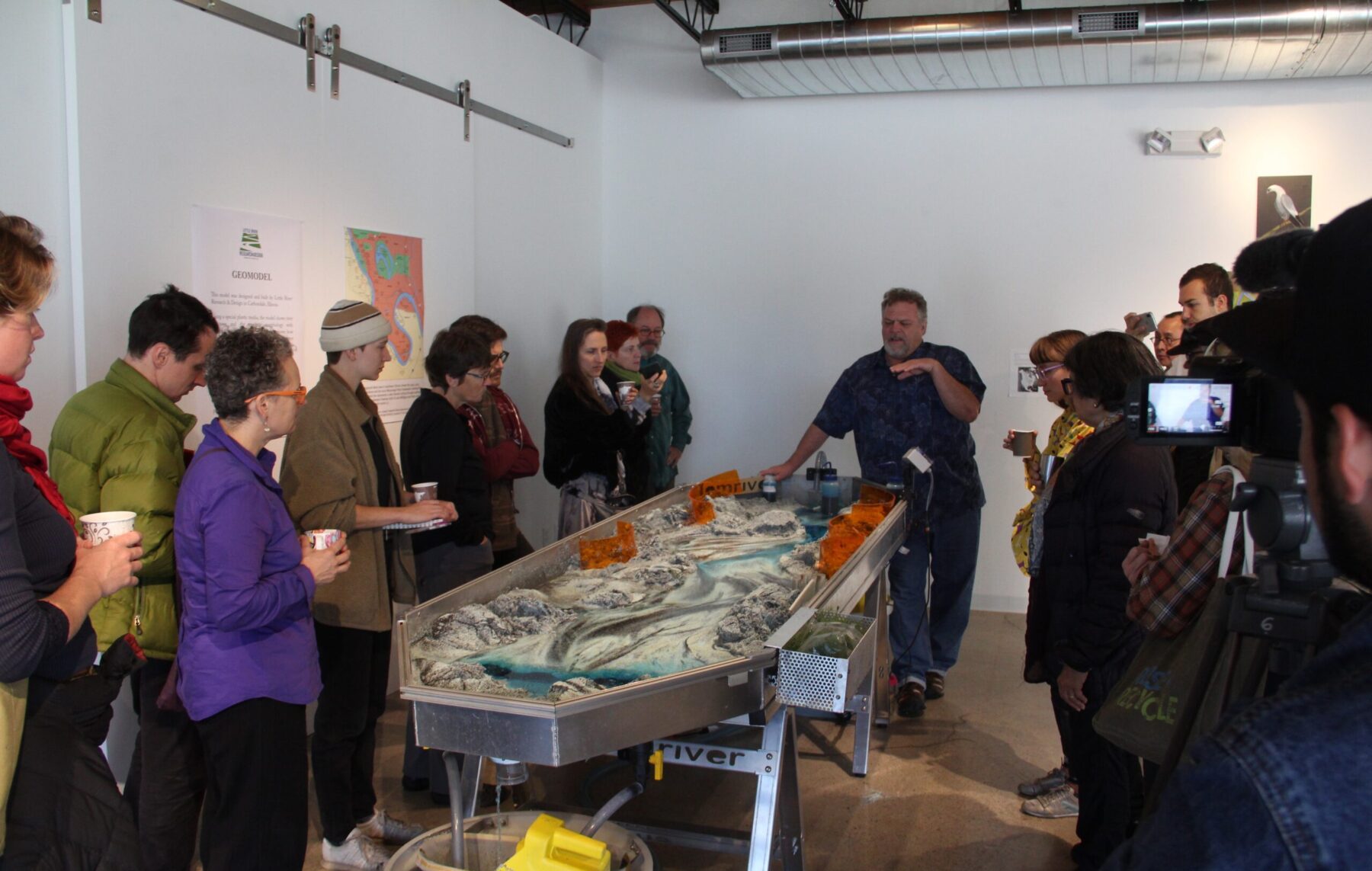
Emriverの模型は、川の仕組みやその保全方法について実際に手を動かしながら視覚的に学べる体験を提供することで、幅広い年齢層を引き付けるため、インタラクティブなミュージアム、科学館、ビジターセンターにとって実用的かつ有益な展示物です。さらに、これらの施設において、地域の団体、学校、大学が授業、ワークショップ、教員研修を開催するための中核的かつ共有の資源としても機能します。.
現在の導入事例の一部
- The Watershed Stewardship Center at West Creek Reservation, part of Cleveland Metroparks, uses an Em2 to teach the public about enhancing and protecting urban watersheds.
- The River Residency workshops at the University of Michigan’s Museum of Natural History use an Em3 to teach students about the interactions between humans and rivers.
- Japan has three Em2s in public settings: The Hamamatsu Science Center, Kanagawa Prefectural Museum of Natural History, and Izu Peninsula Geopark, one of dozens in the Japan Geopark Network.
- The United States’ wide network of national parks, wildlife refuges, and other public lands, along with their visitor centers and outreach programs, can benefit from the dynamic and interactive Emriver stream tables to show how rivers work and how to conserve them. Emriver models are used at the USGS Grand Canyon Monitoring and Research Center, the Silvio O. Conte National Fish & Wildlife Refuge, and the Bureau of Land Management office in Glen Allen, Alaska.
- スペクトラム・ディスカバリー・エリア
- The Louisiana Art & Science Museum uses their Em3 and Emflume1 to educate visiting classes about human-river interactions.
- コネティカット川博物館
- 流域管理センター オハイオ州クリーブランドにて
- サイエンス・ミュージアム・オクラホマ
- 四代河川環境生態センター イリノイ州ウィル郡