Em3 Stream Table
Em3 Stream Table
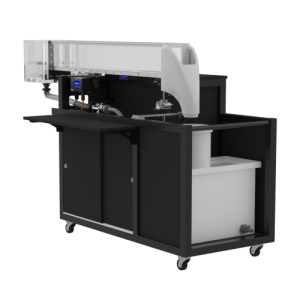
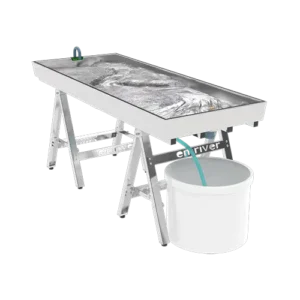
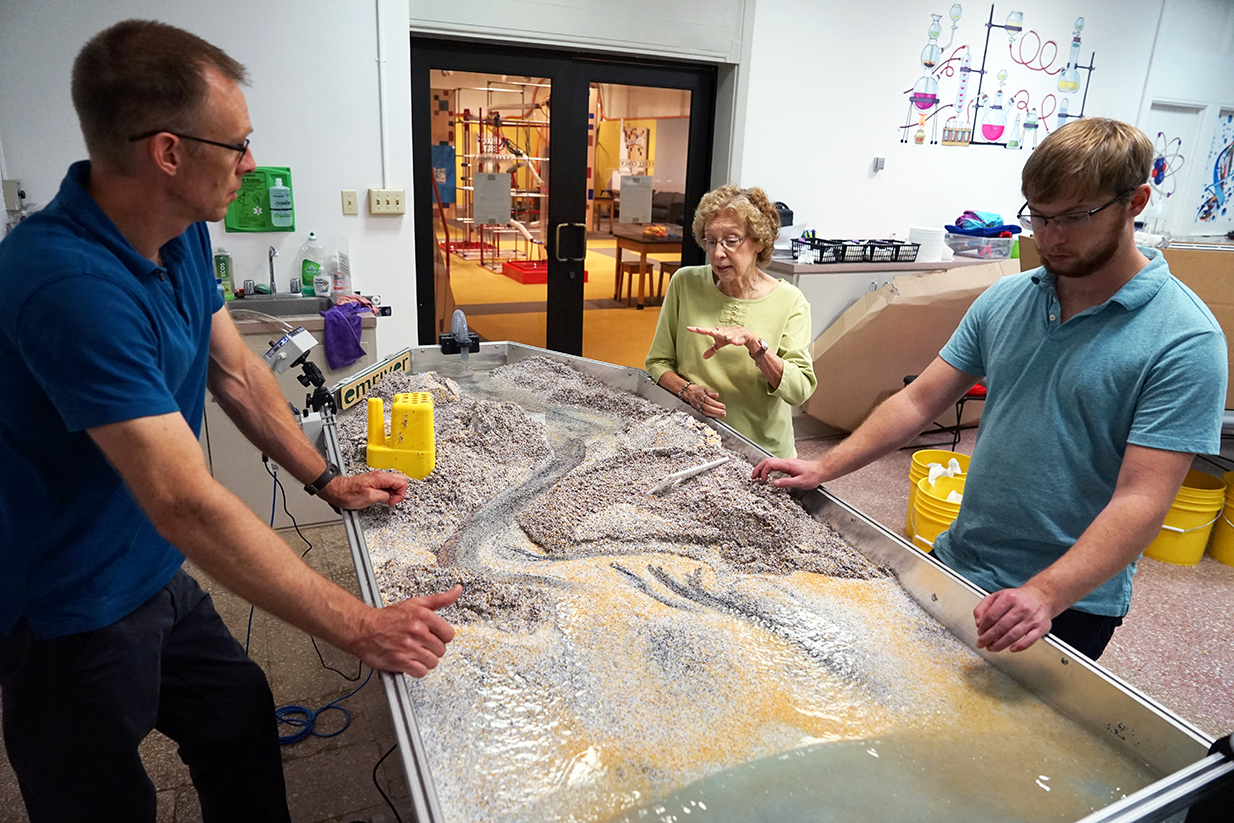
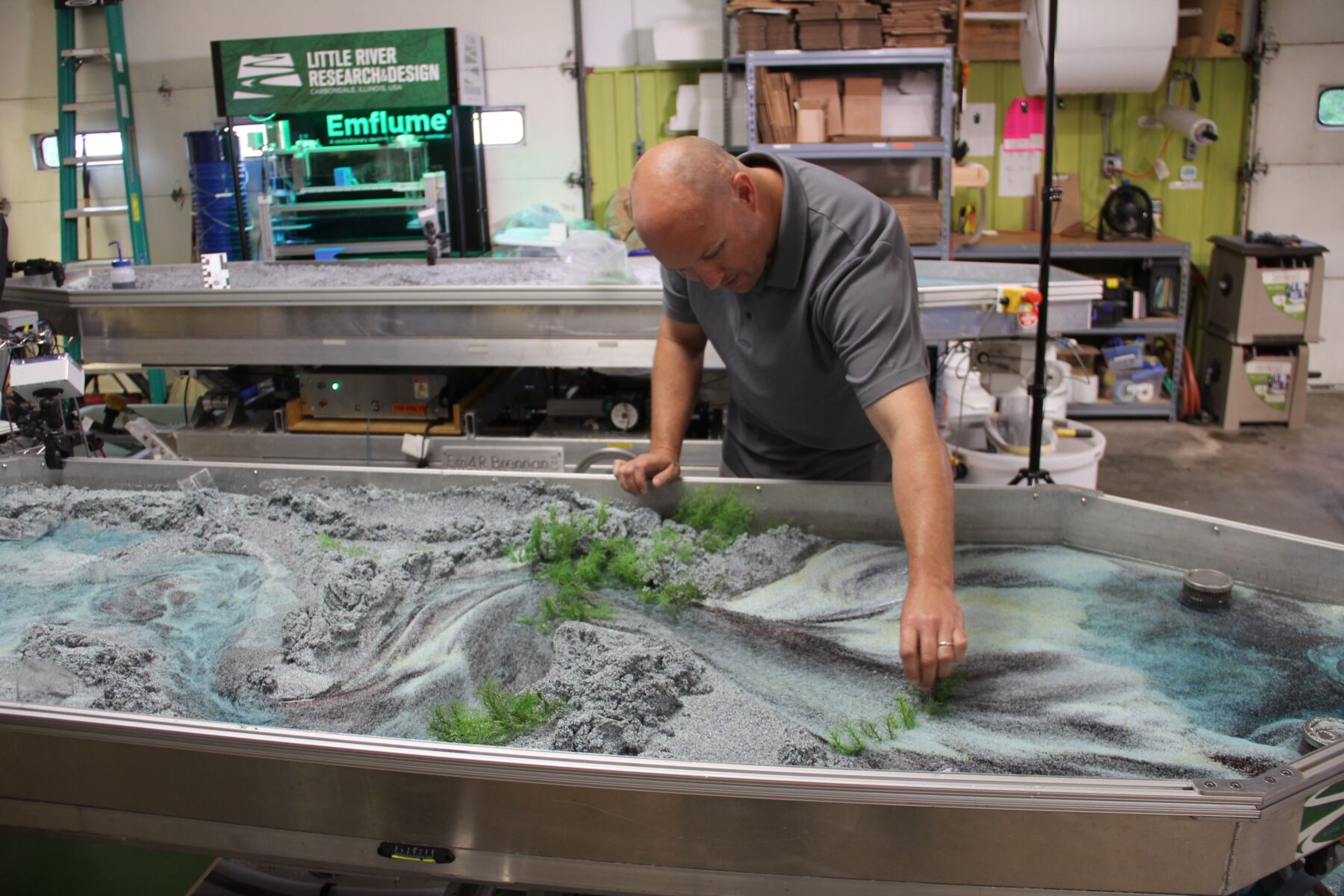
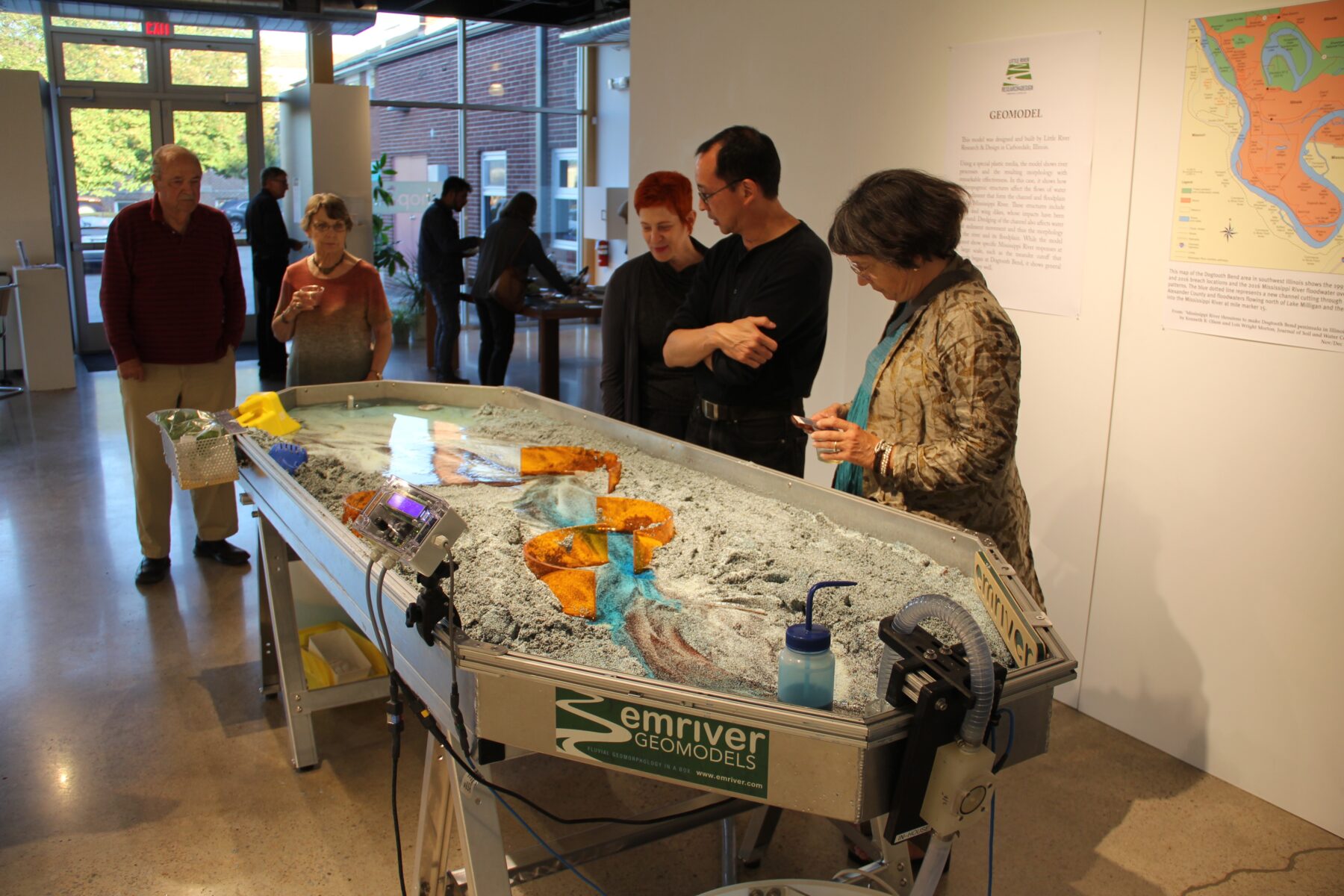
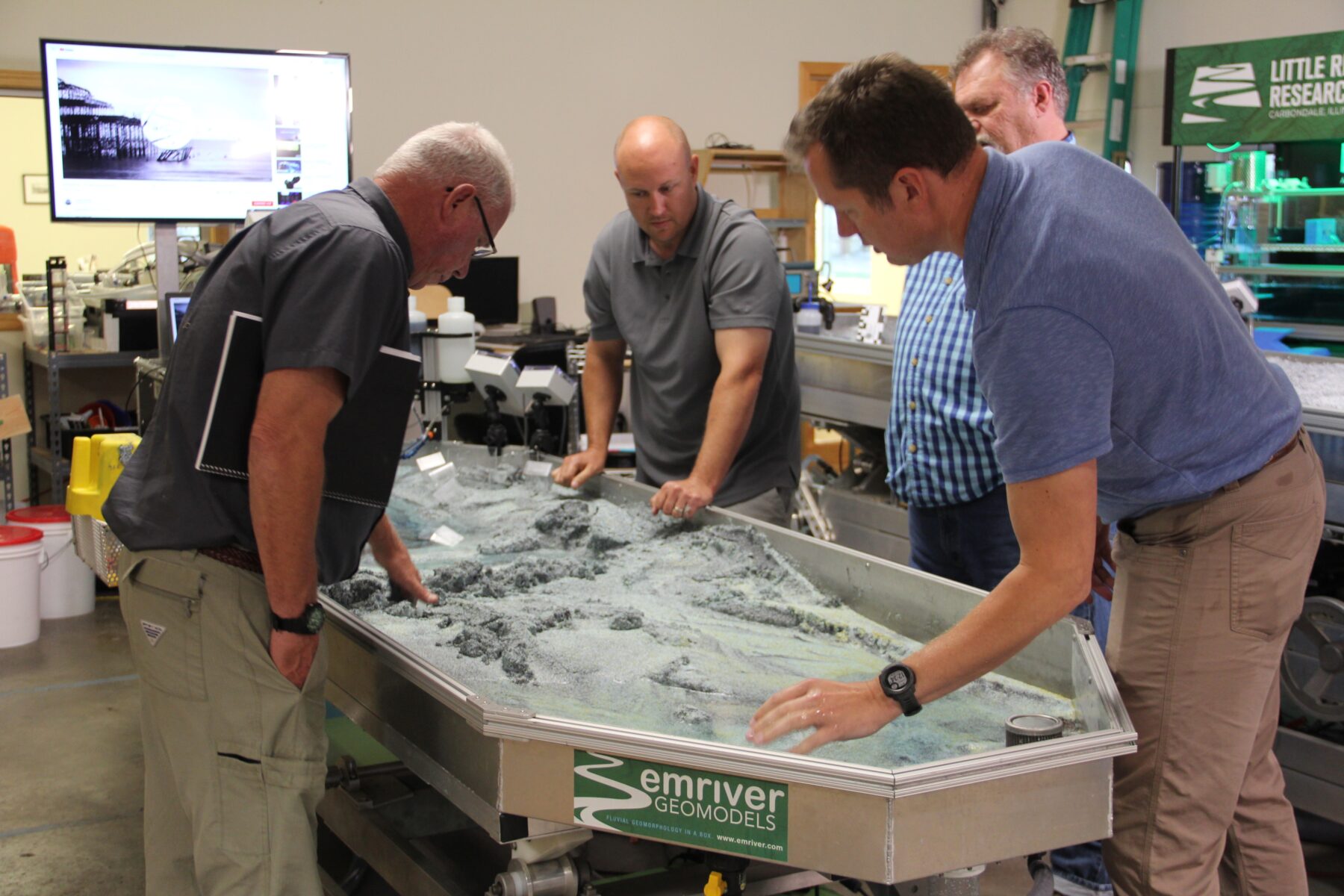
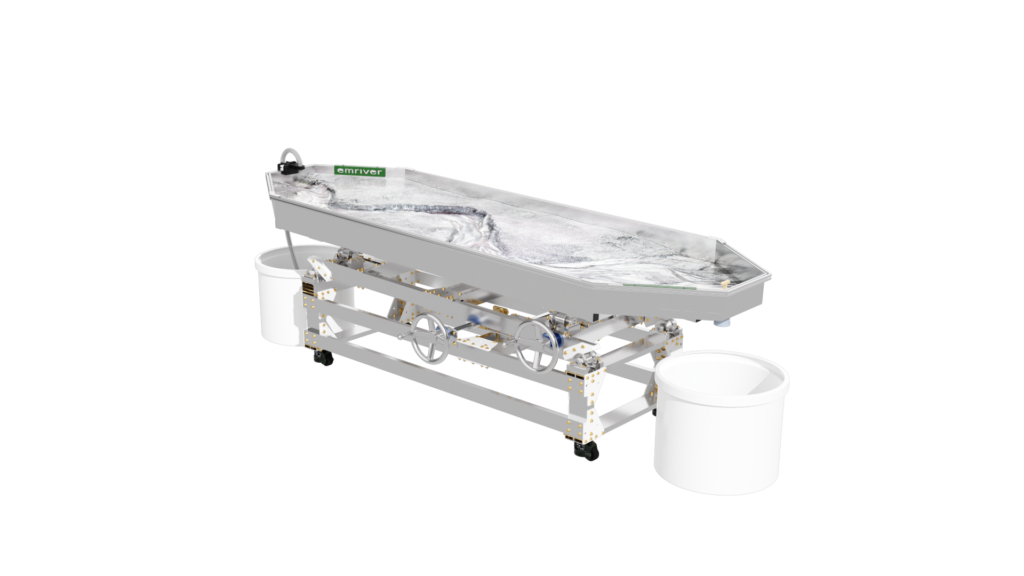
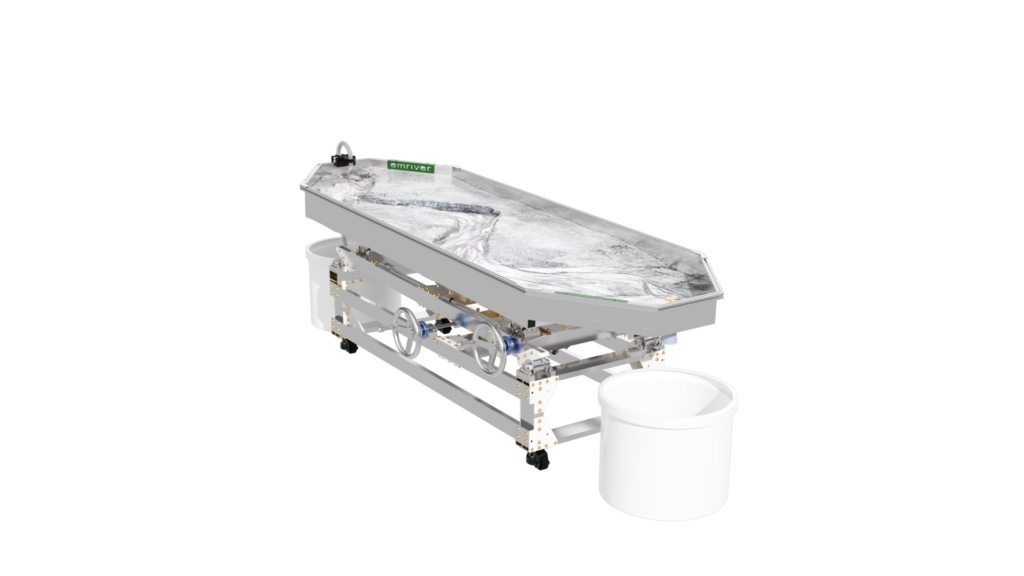
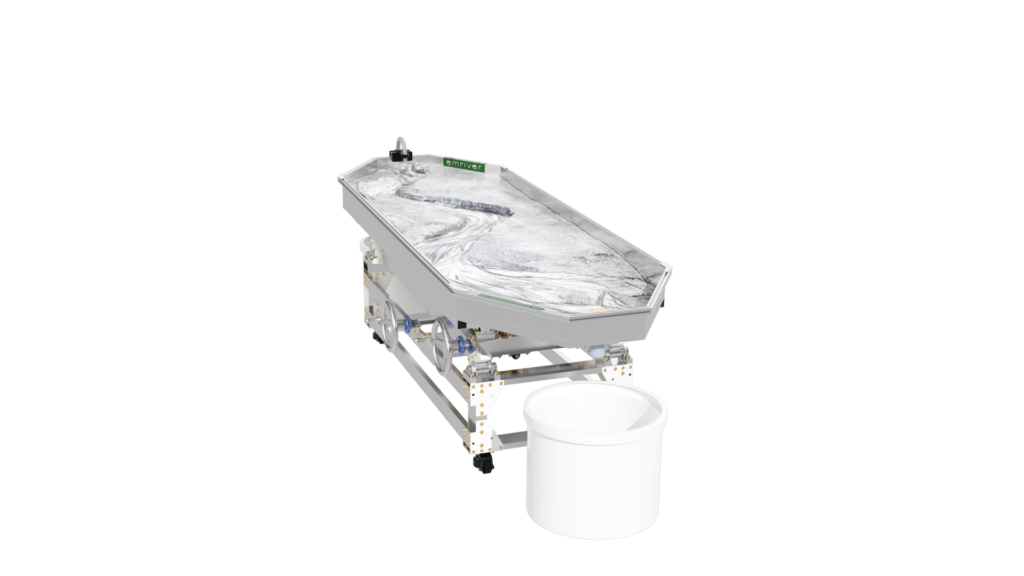
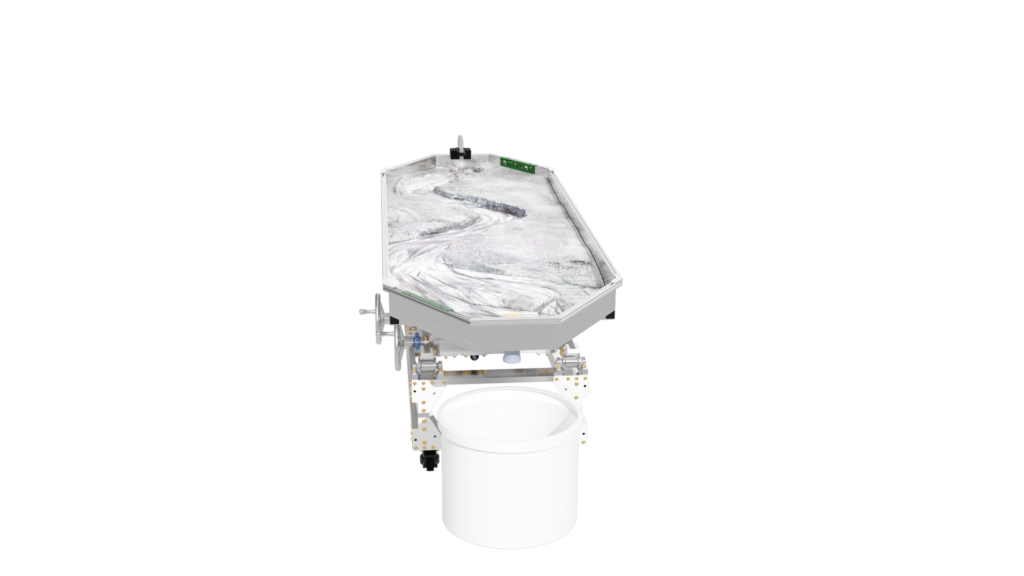
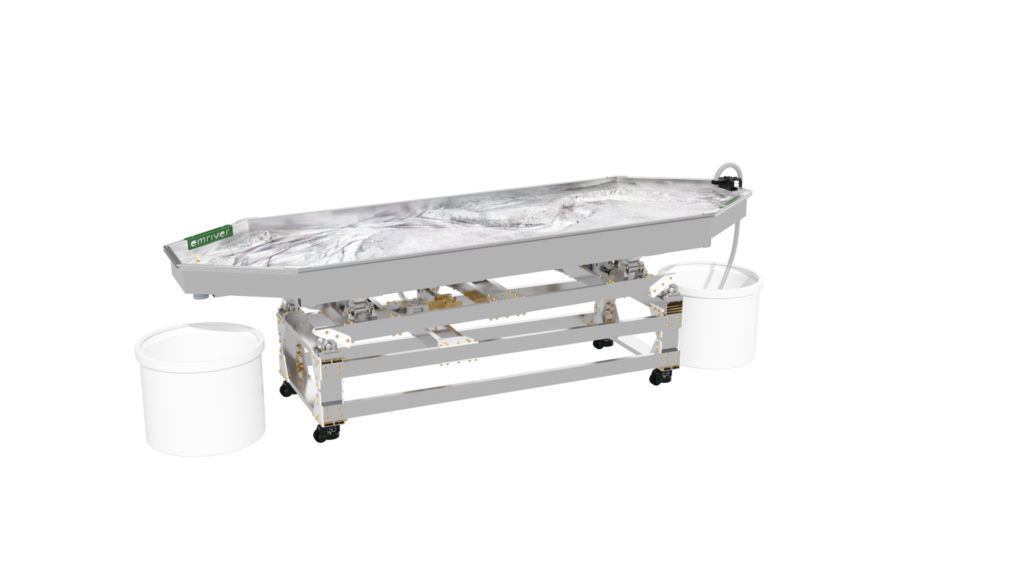
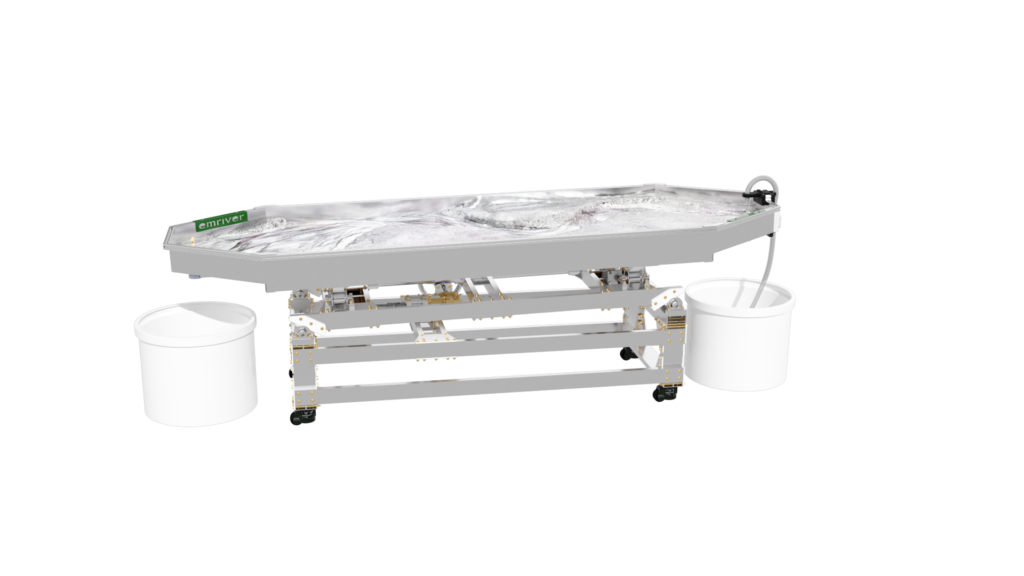
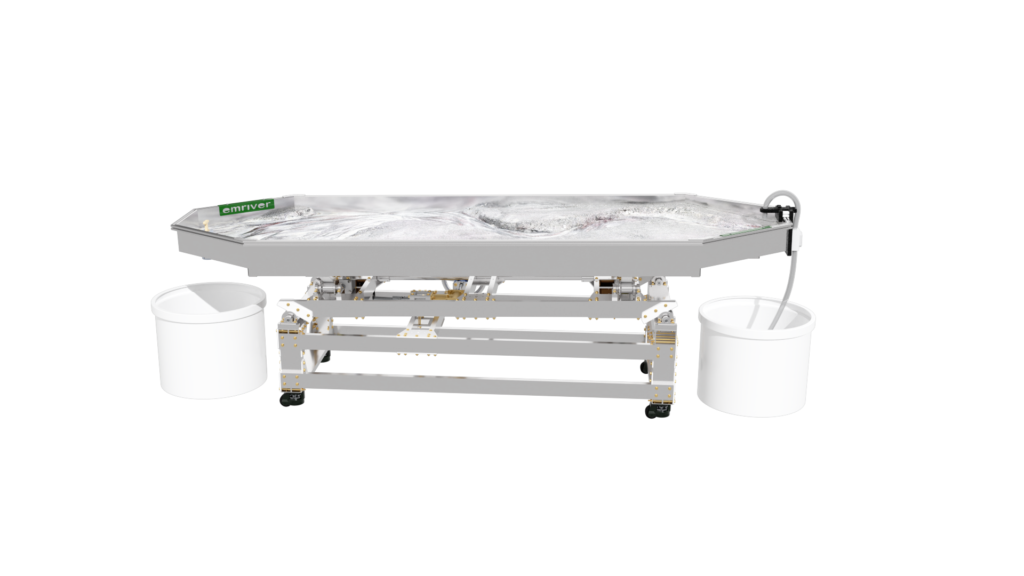
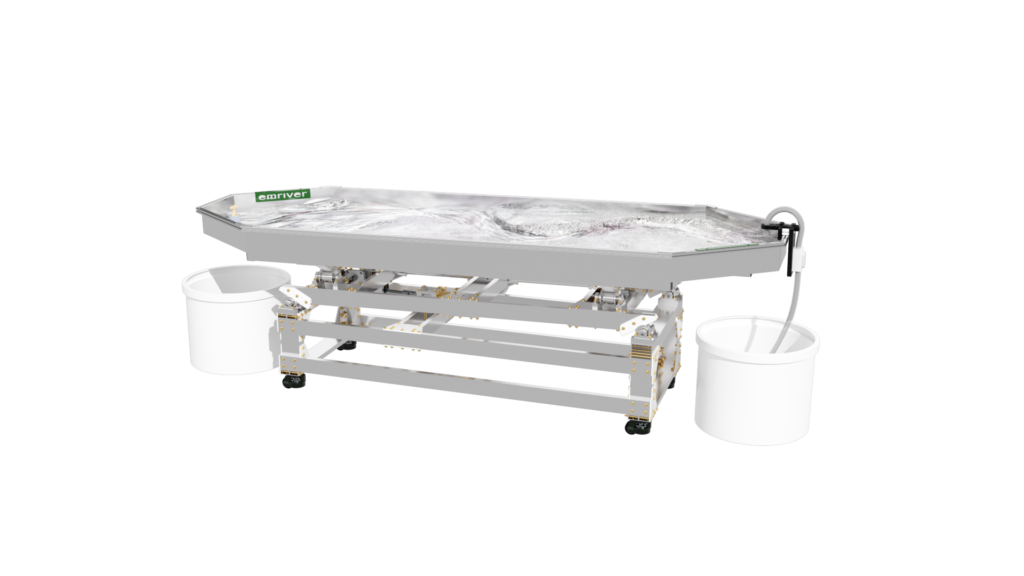
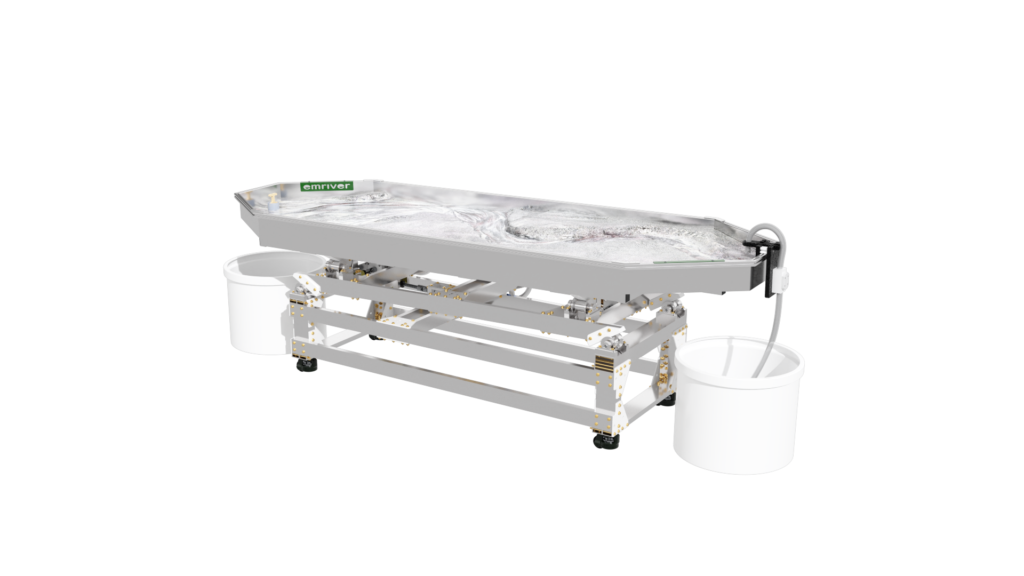
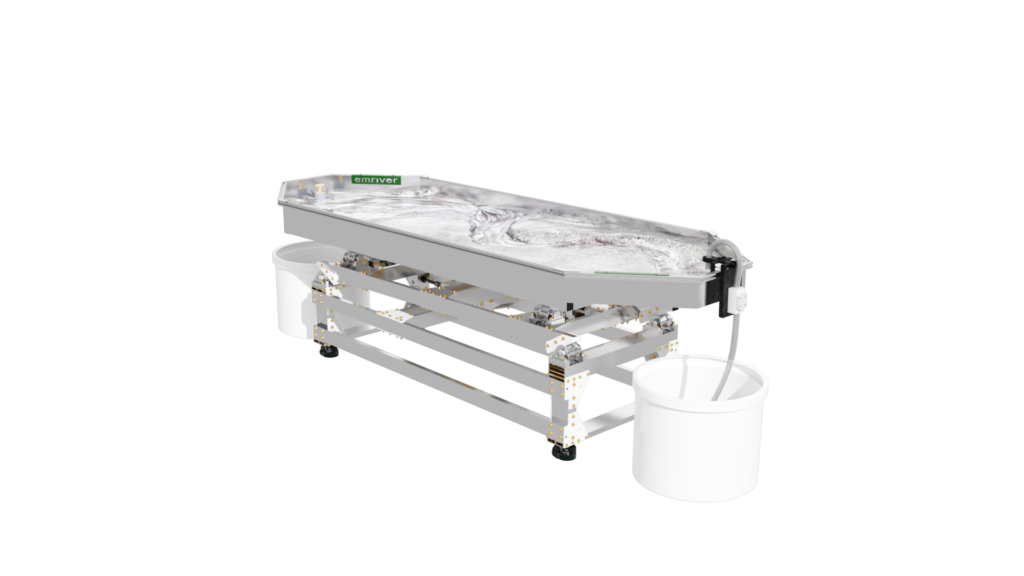
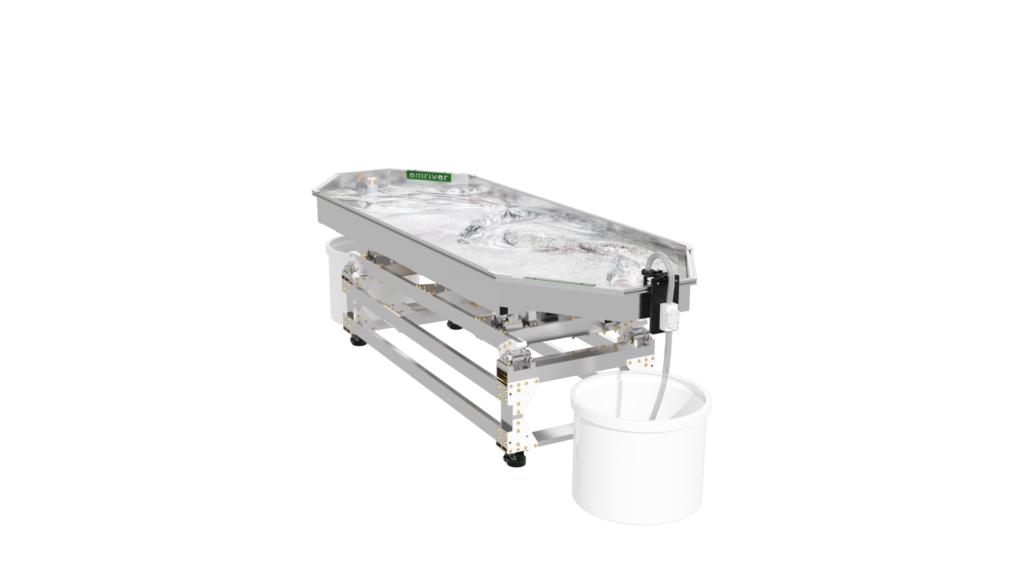
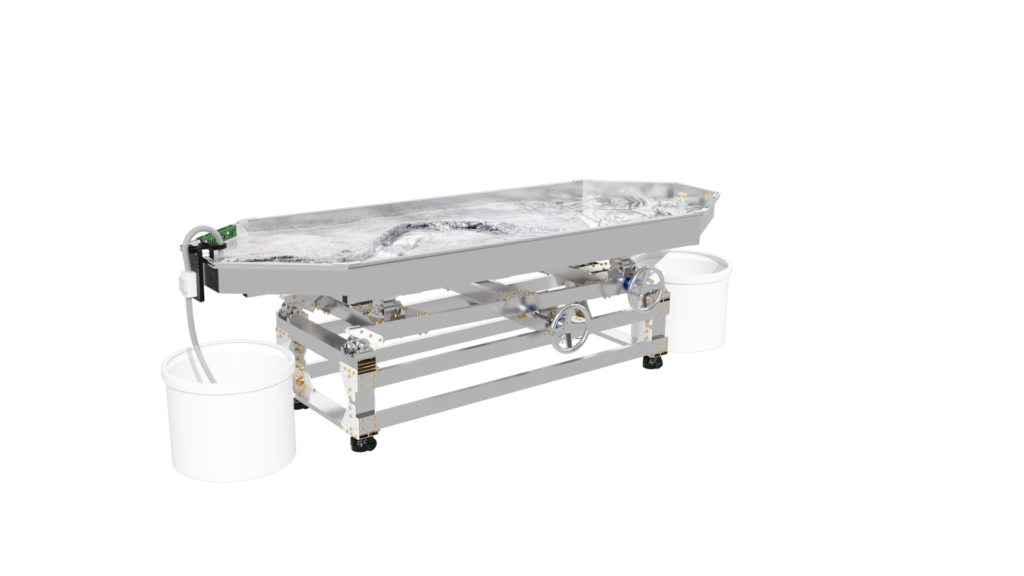
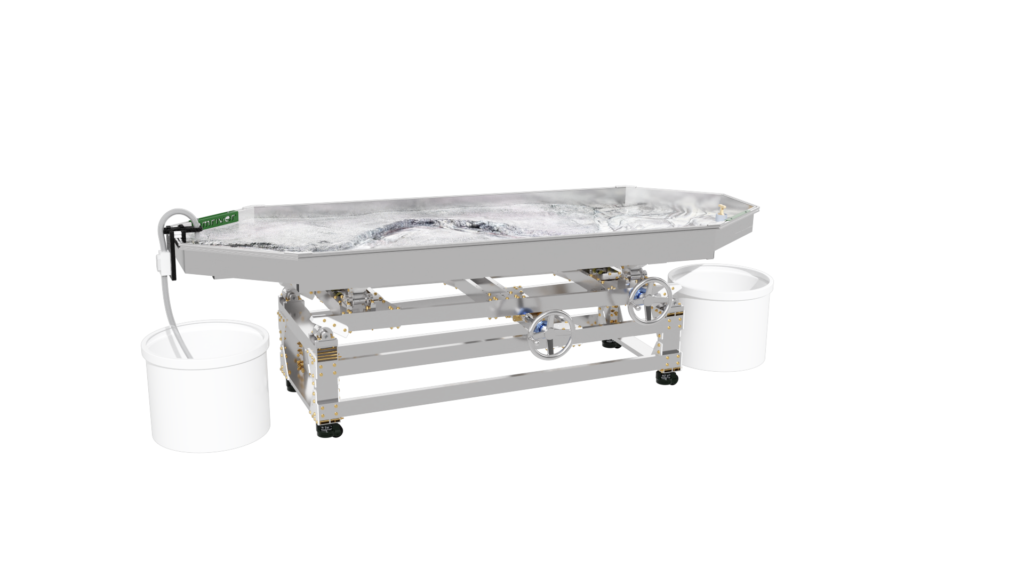
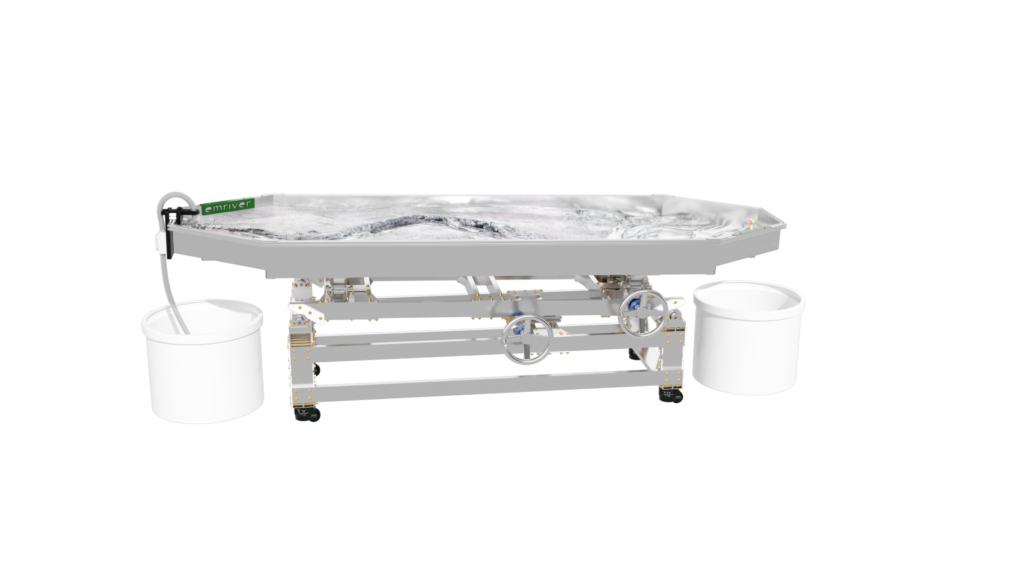
A modular and sizable system perfect for teaching of river science principles. The 3-meter basin provides greater capabilities than the Em2, but still fits easily into classrooms, labs, museums and nature centers, where it can be used for a single teaching unit or an entire semester-long course.
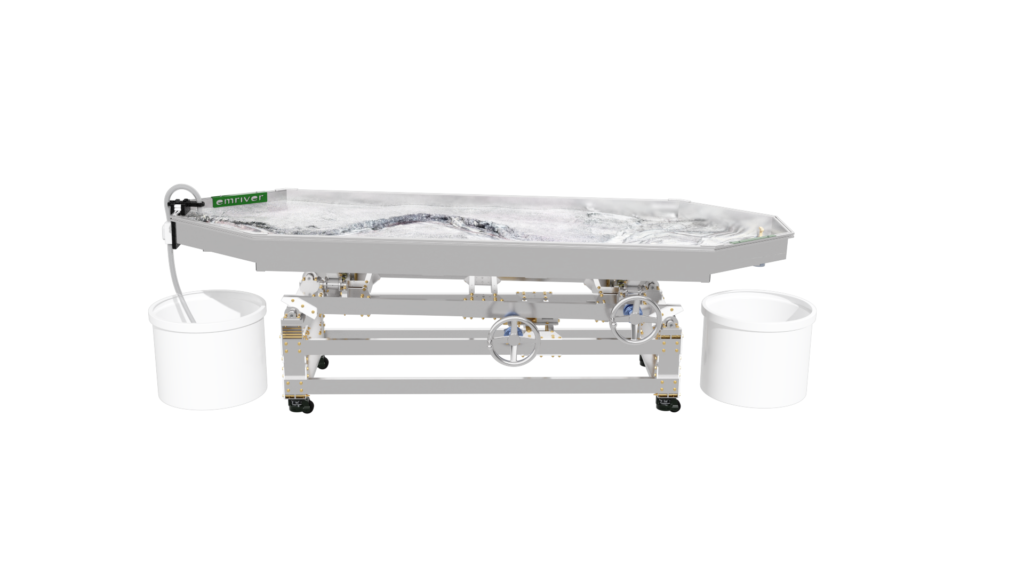
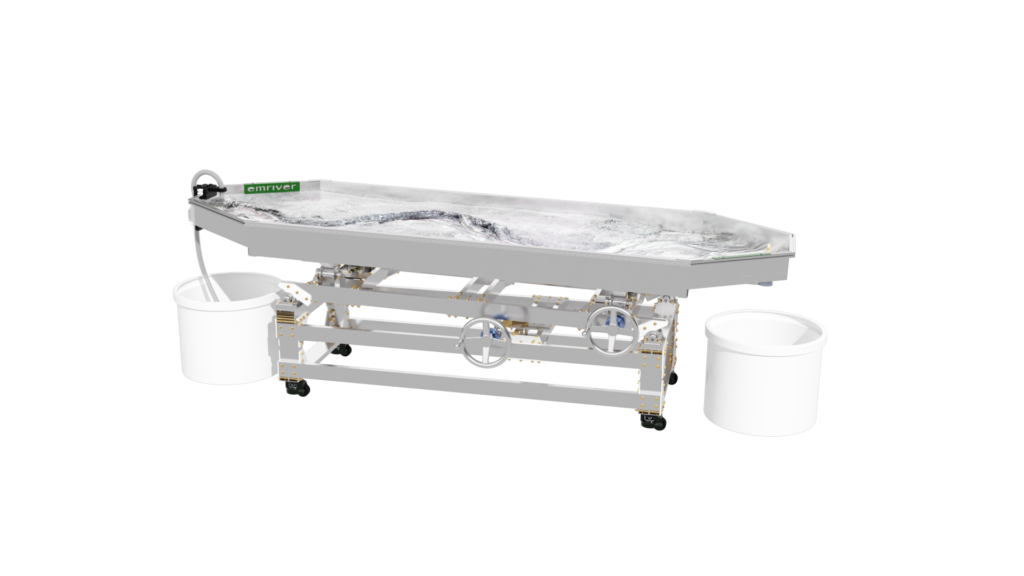
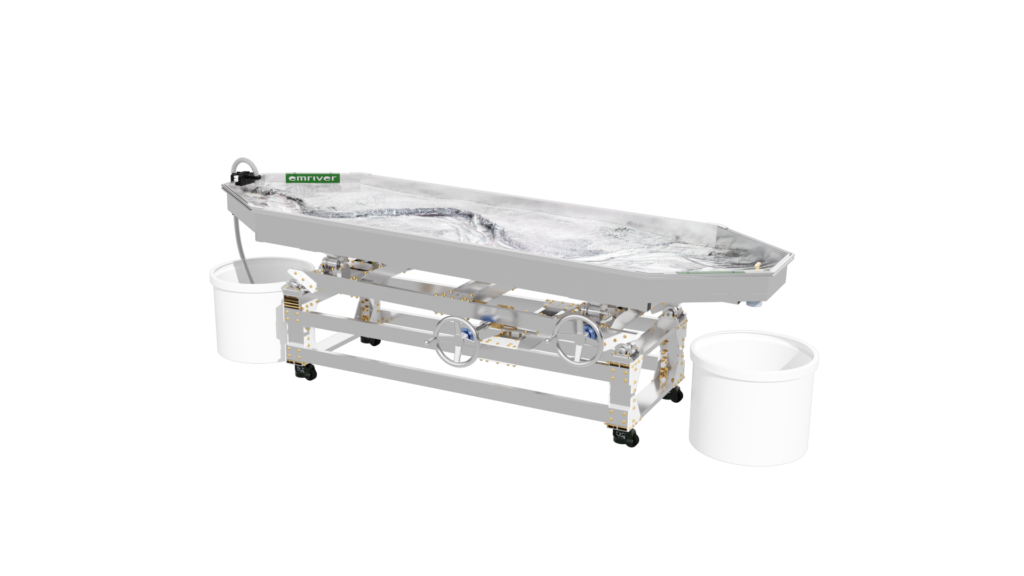
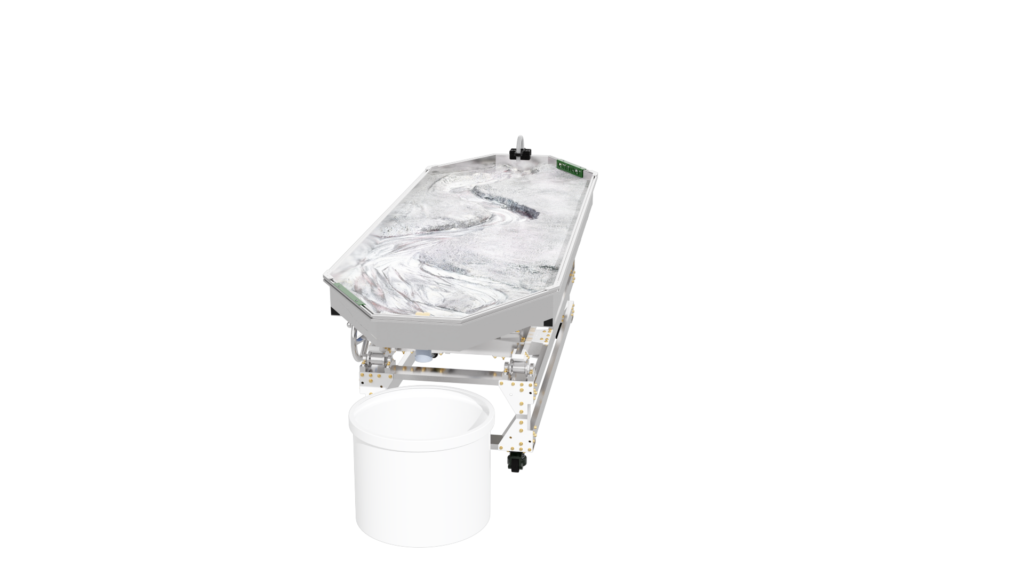
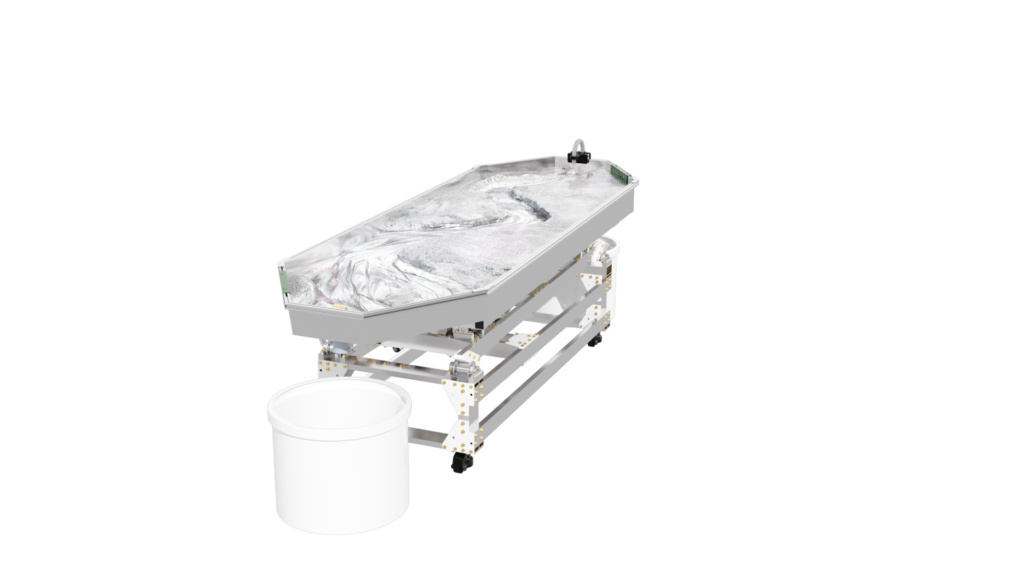
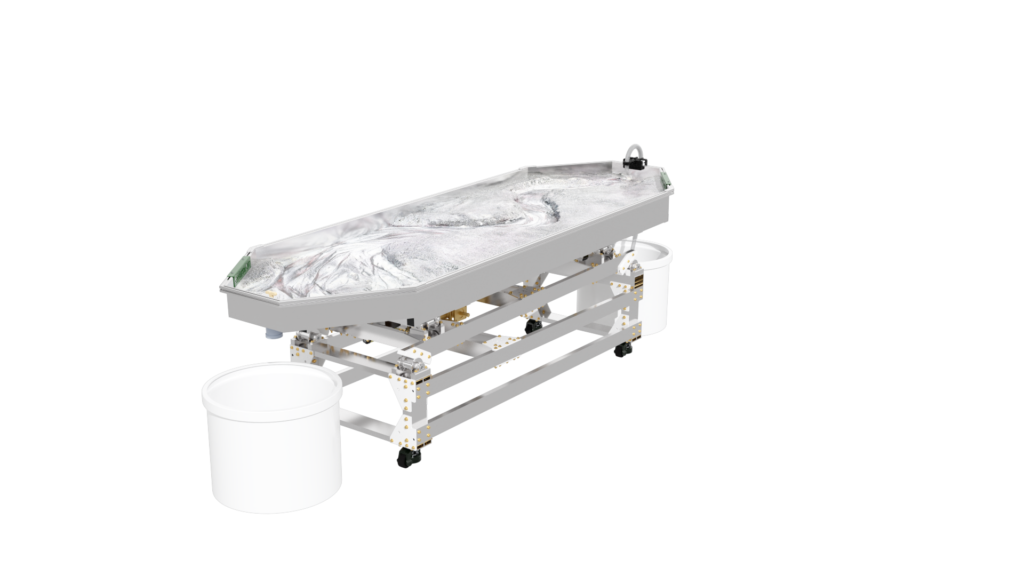
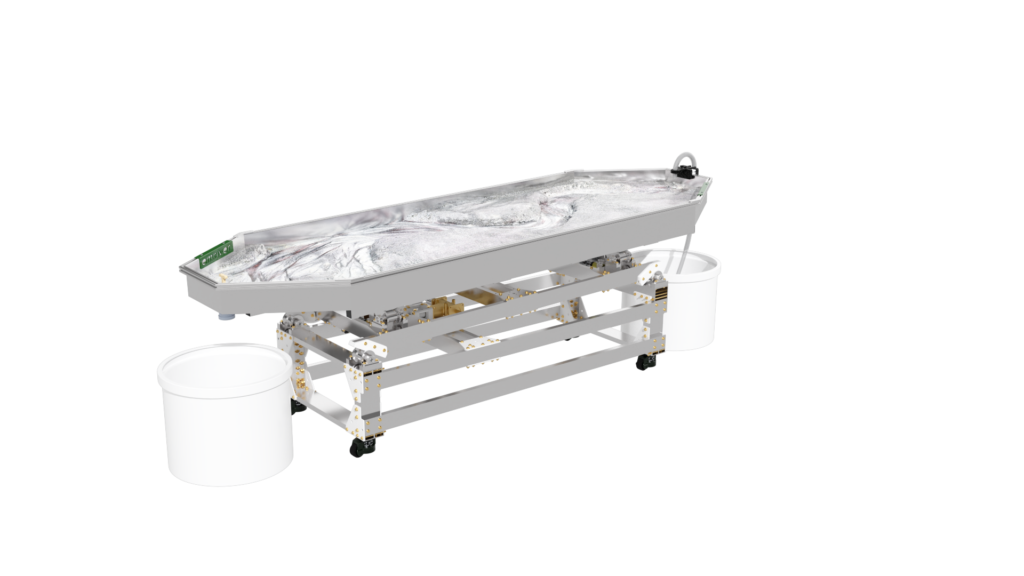
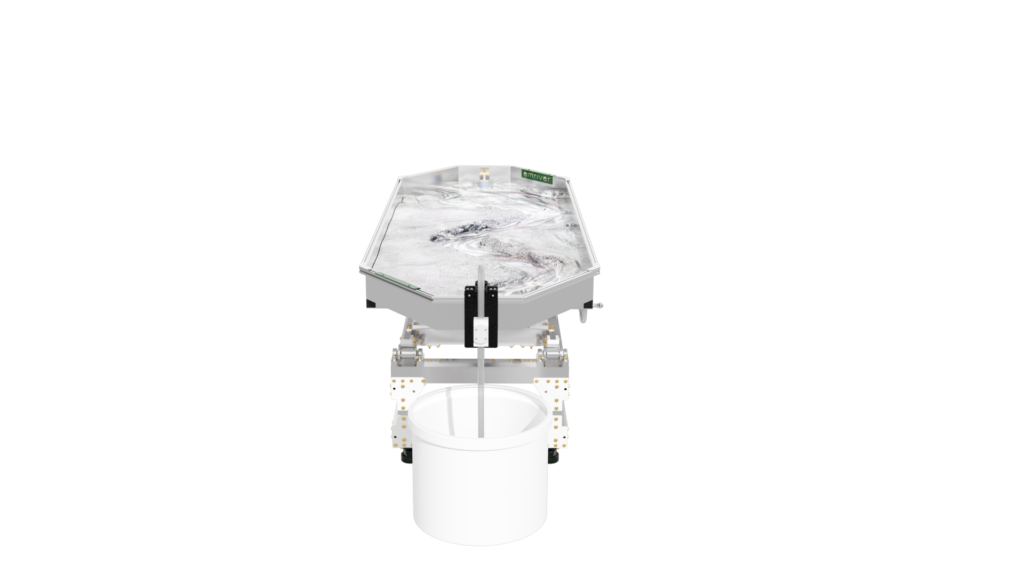
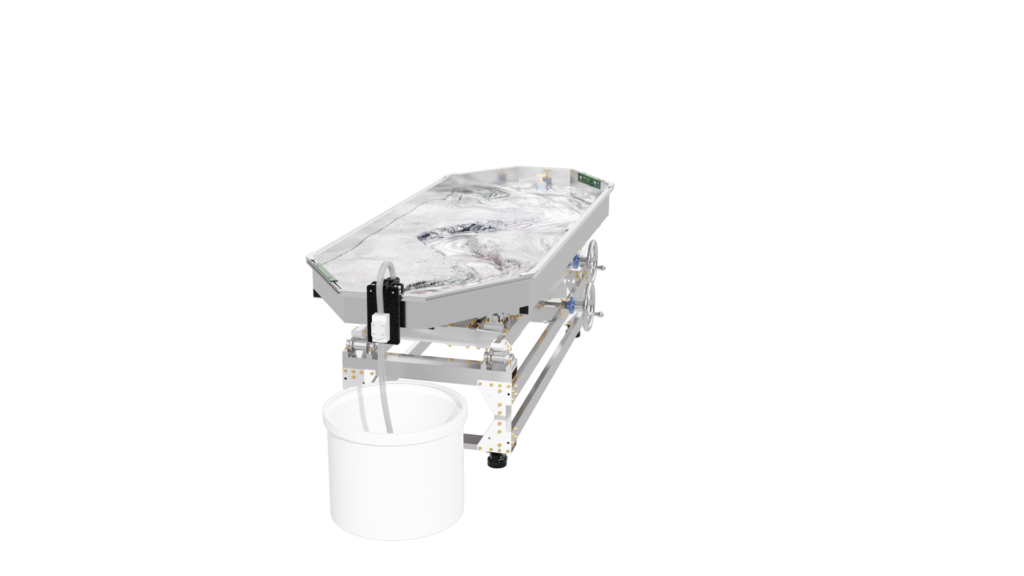
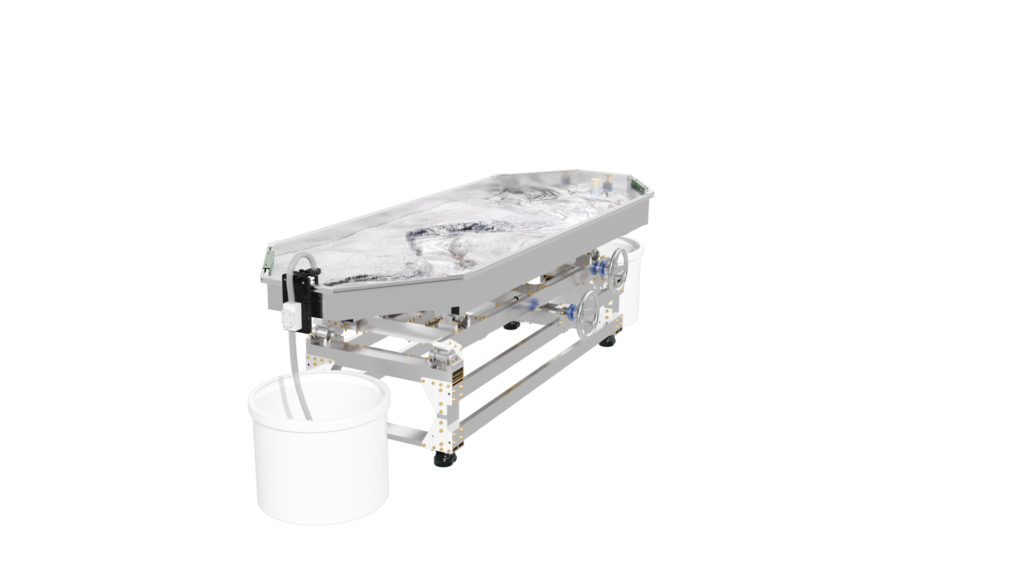
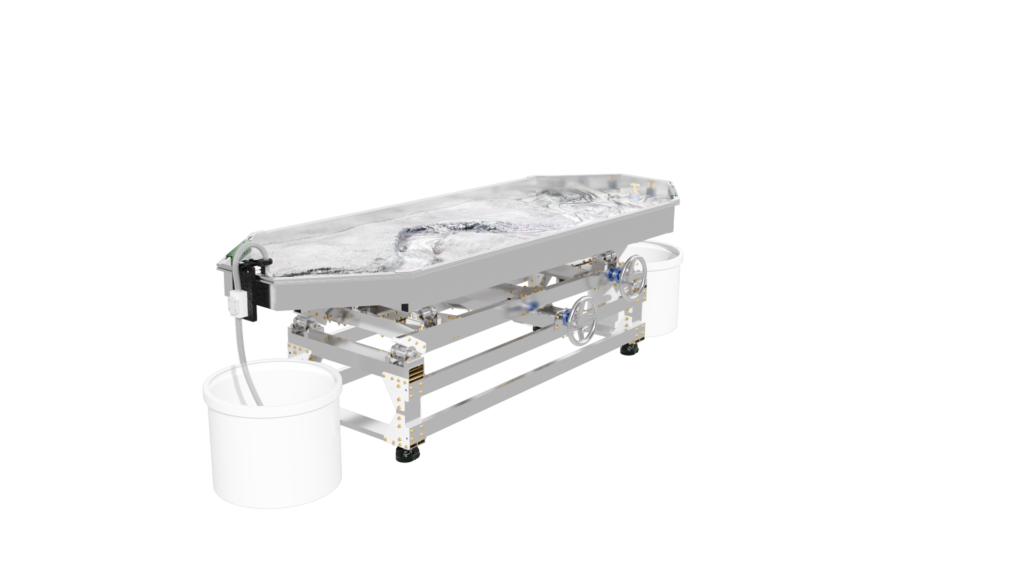
Drag to rotate
Designed for a Lab Space or Classroom
Flow Outlet
Flow Outlet
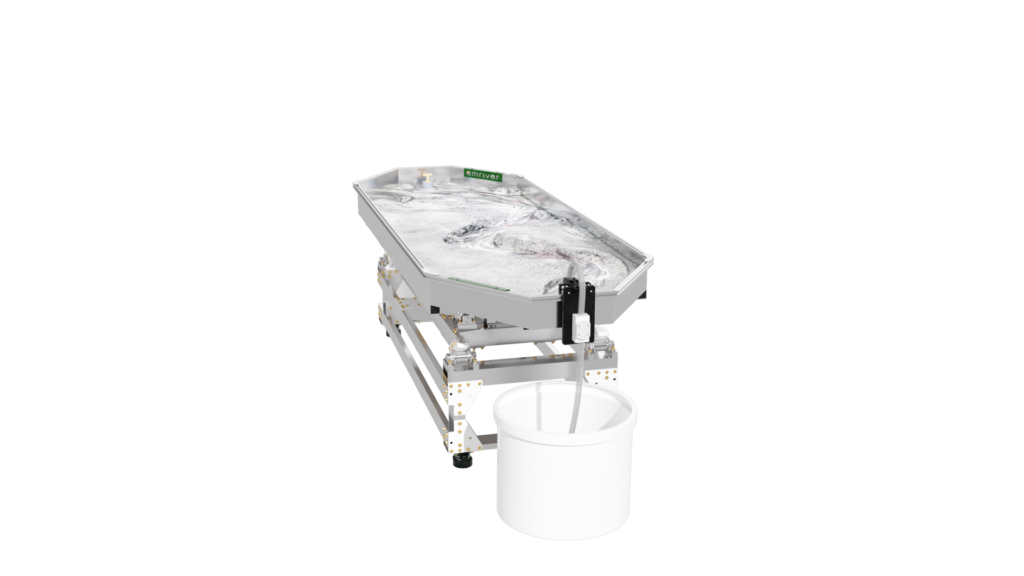
The moveable Flow Outlet pipe introduces water into the Stream Table. Many Em3 users upgrade to the K500 Digital Flow Controller.
Em3 Box
Em3 Box
The welded aluminum box features T-Slot gunwales for mounting instruments and controllers.
Modeling Media
Modeling Media
The Em3 comes standard with 108 kg (240 lb) of non color-coded media. Color-coded media is available as an upgrade.
Reservoirs
Reservoirs
Two reservoirs are connected by a gravity feed hose for a total capacity of 151 L (40 gal).
Optional Dual-Tilt base
Optional Dual-Tilt base
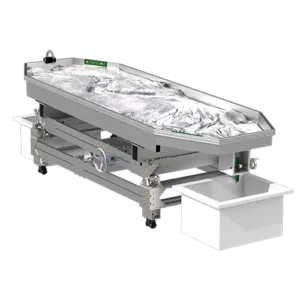
The Em3 comes standard with static supports and can be upgraded at any time to a single or dual-axis tilting base.
Standpipe
Standpipe
The standpipe moves up and down to control stream slope.
Leveling Casters
Leveling Casters
The leveling casters allow the Em3 Tilt Base to be positioned in the lab or classroom and precisely leveled.
Specifications
Model Footprint: 3.25 m x 1.02 m (128 in x 40 in)
Can be powered with a deep-cycle 12V battery
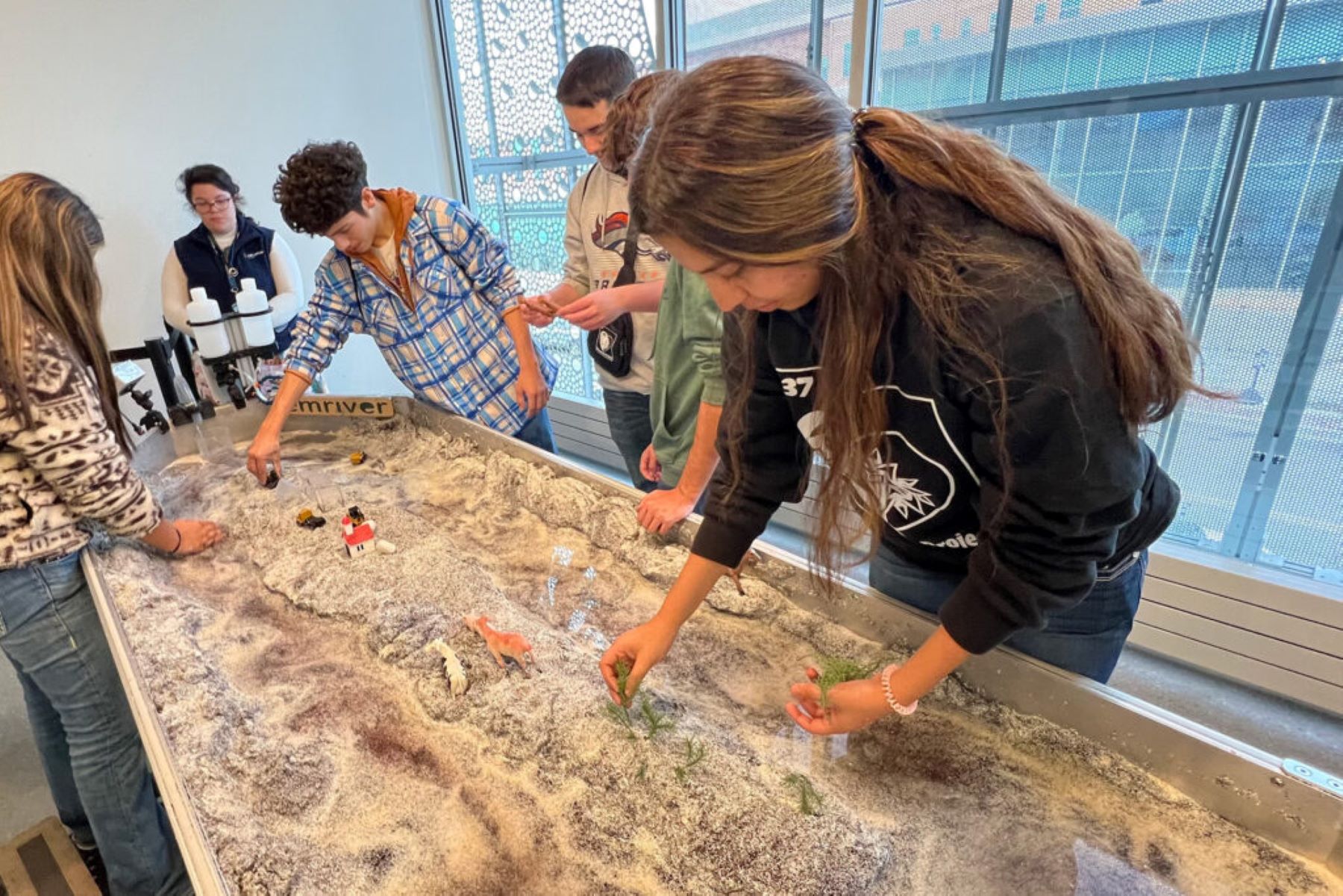
The extended length of the Em3 allows the stream to develop longer running and more varied features in a river channel. For example, one bank on a meander bend can feature hard armoring while another can feature simulated vegetation to simultaneously demonstrate the effects of different methods of river management. The added length also provides space for a larger downstream pool and longer developing deltas, and, with the addition of a Wave Maker, demonstrations of coastal morphological phenomena such as longshore drift.
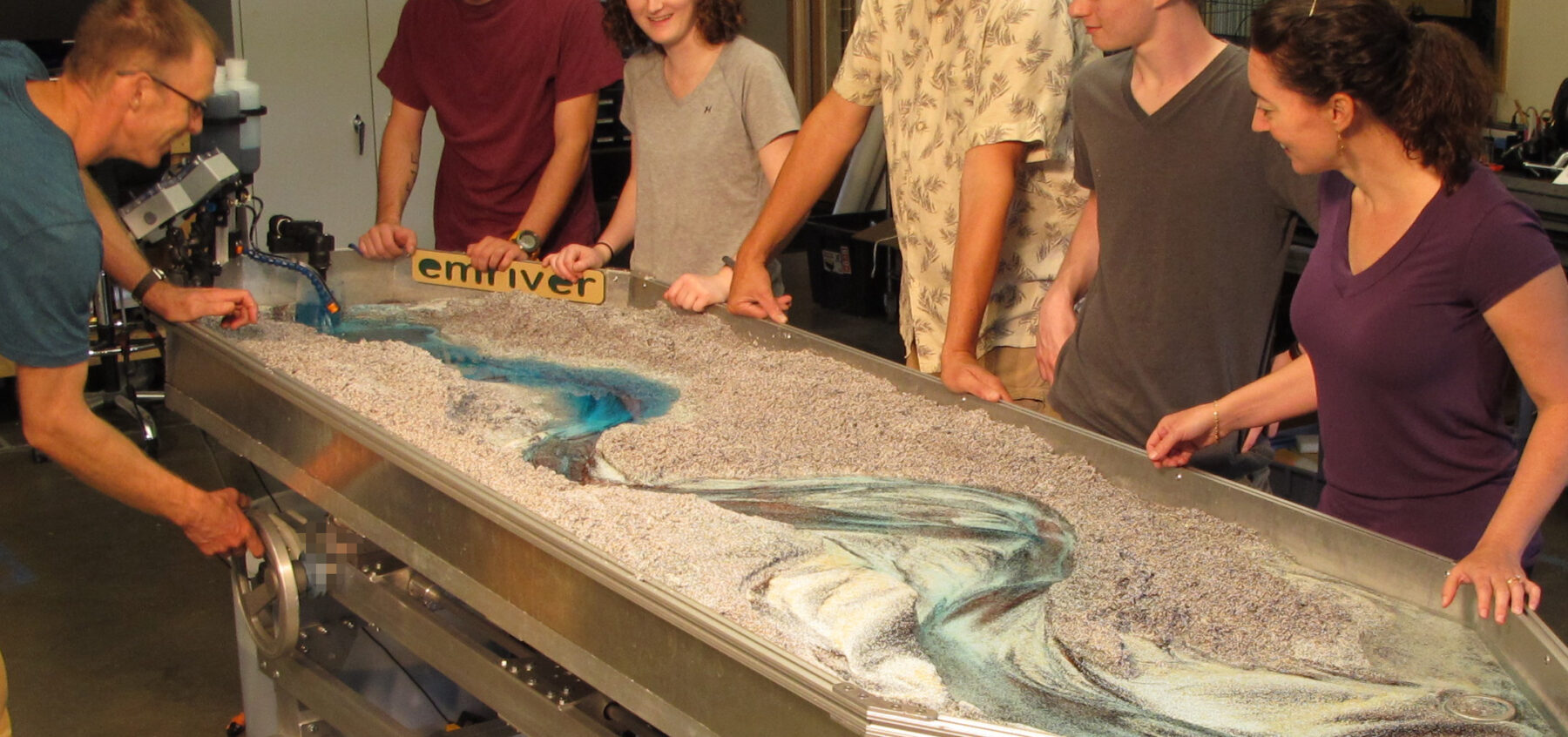
A class of 15 plus a teacher or facilitator can participate with the Em3, with a second row of 15 observers, so it’s a perfect choice for hosting school groups and field trips. The Em3 stream table is designed to be set up and put away by two people, and can be transported in a full-size pickup or cargo van for outreach and education events. It can also be powered onsite by a 12V marine battery. The Em3 stream table is popular with high schools that have dedicated geology labs, colleges, nature centers and museums, and universities.
The standard static supports are engineered from high-strength aluminum and create a box slope of 3 degrees or 5%. Decreasing the slope is as simple as raising the standpipe water level or inserting a support under the table’s downstream end.
An exciting upgrade to the Em3 and Em4 models is a single- or dual-tilt base. With the single-tilt base, a handwheel controls the box slope continuously from zero through 3.5 degrees through a robust gearbox and acme screw system. The box tilt may be easily and quickly changed as the model is running to dynamically model and demonstrate the effects of changing slope or geologic uplift. The dual-tilt option allows the user to additionally change side-to-side roll through a +3 degree range to further explore geologic change to the river basin. The stream in the table responds rapidly and dynamically to these changes, making the single or dual-tilt base a unique research, learning, and teaching tool.
The Emriver Em3 comes standard with 240 pounds of our Alpha thermoset plastic modelling media as described above, and can be upgraded with color-coded media.