Modeling Media
Modeling Media
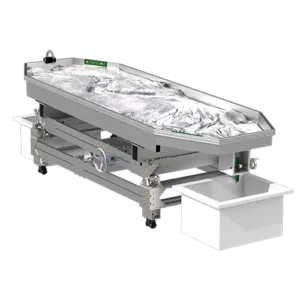
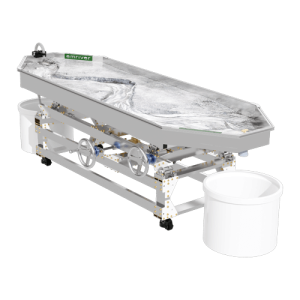
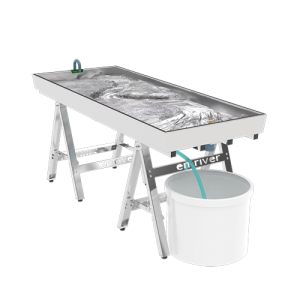
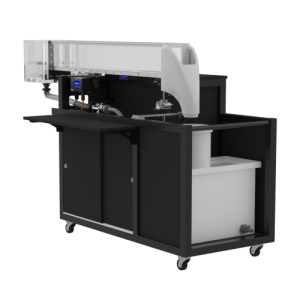
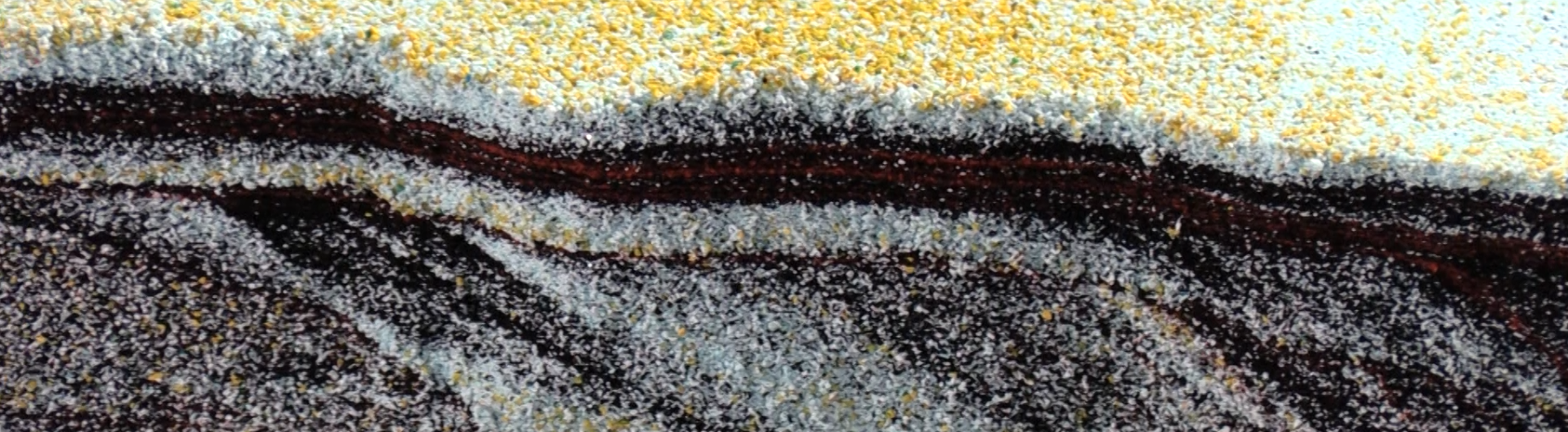
One of the remarkable features of our stream tables and flumes is our custom substrate. The low density, particle distribution, and coloring of the media allow for rapid responses to changes in flow and slope to provide beautiful and compelling visualization of sediment transport and deposition.
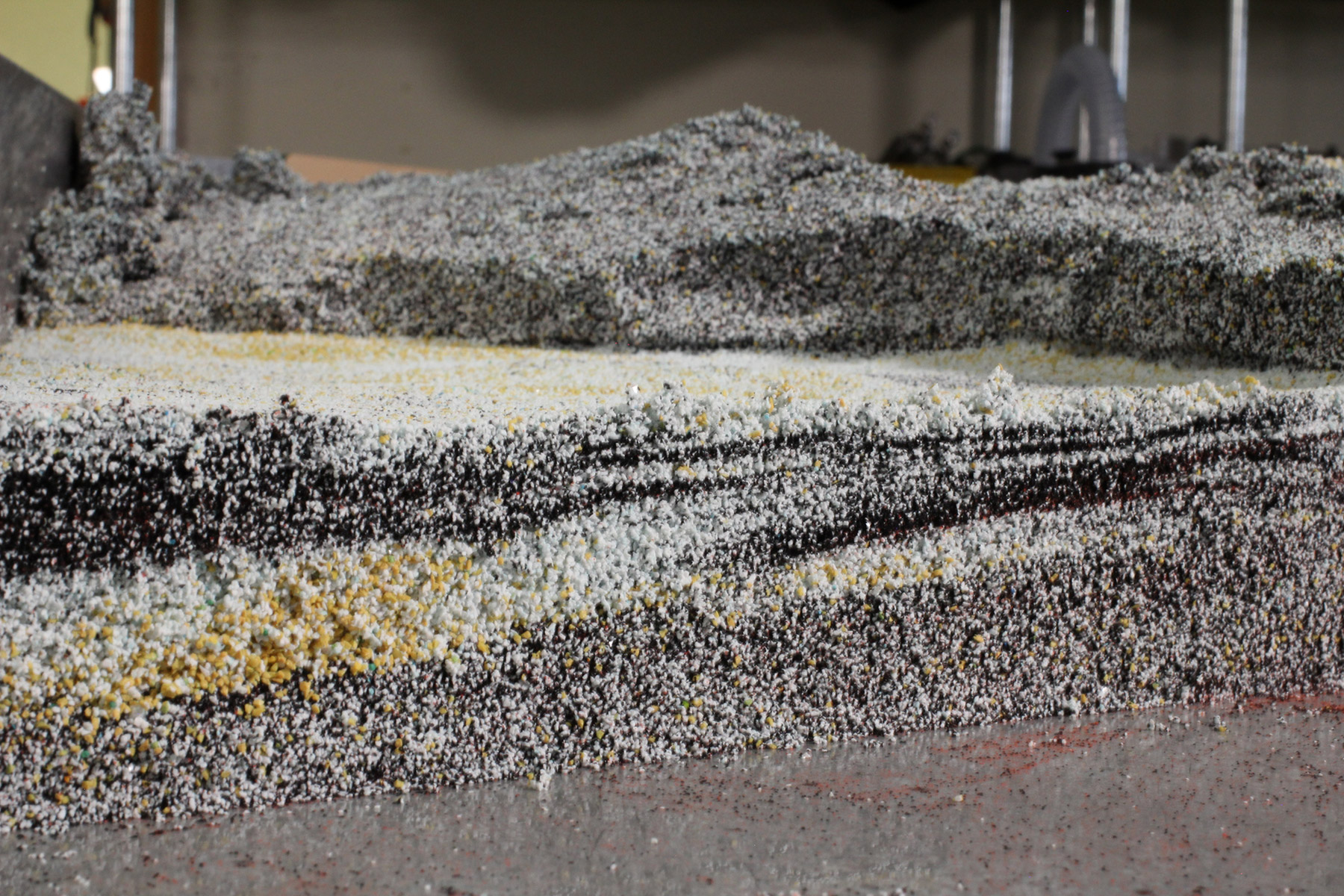
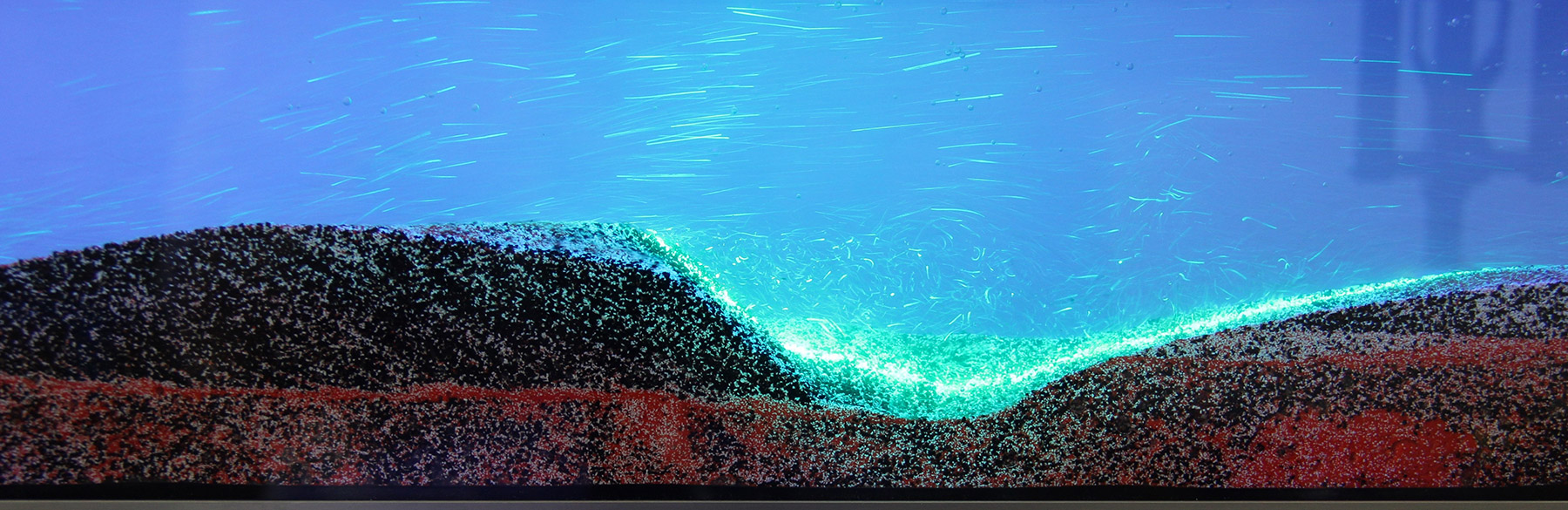
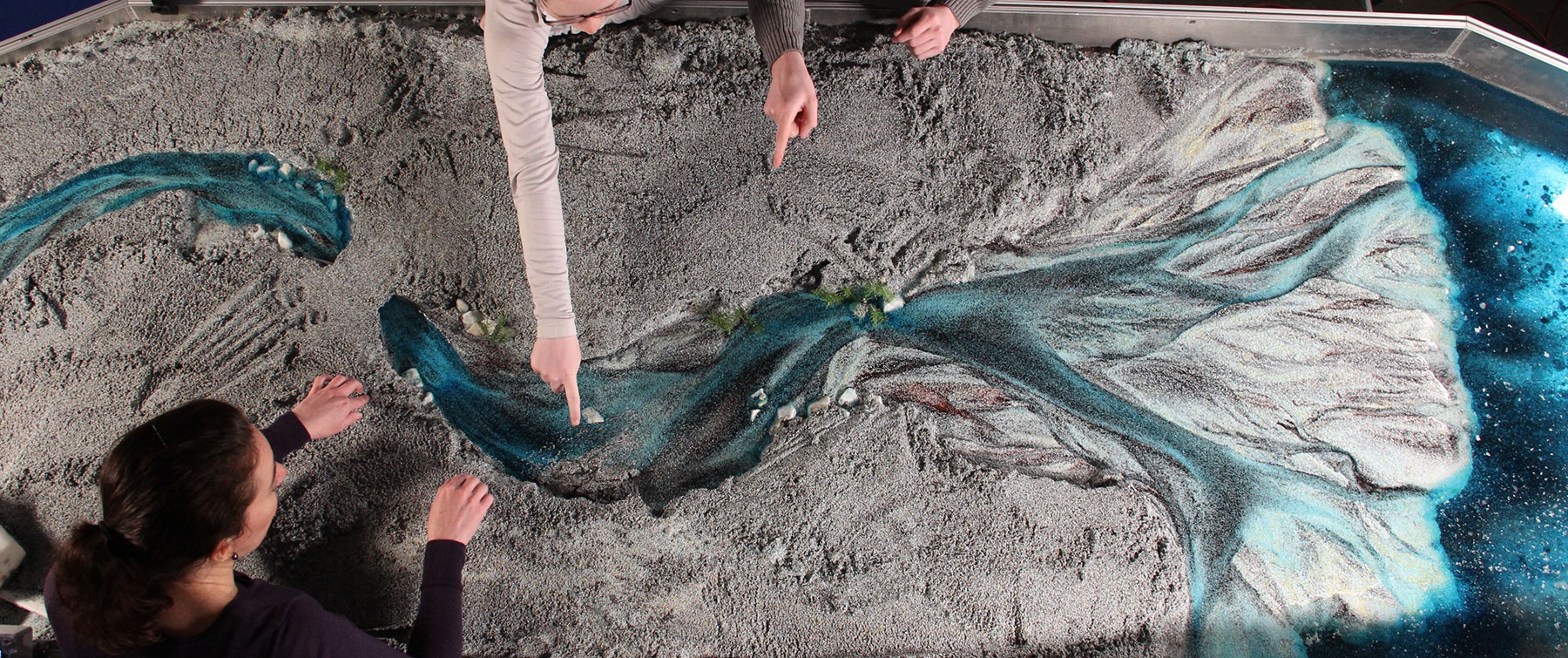
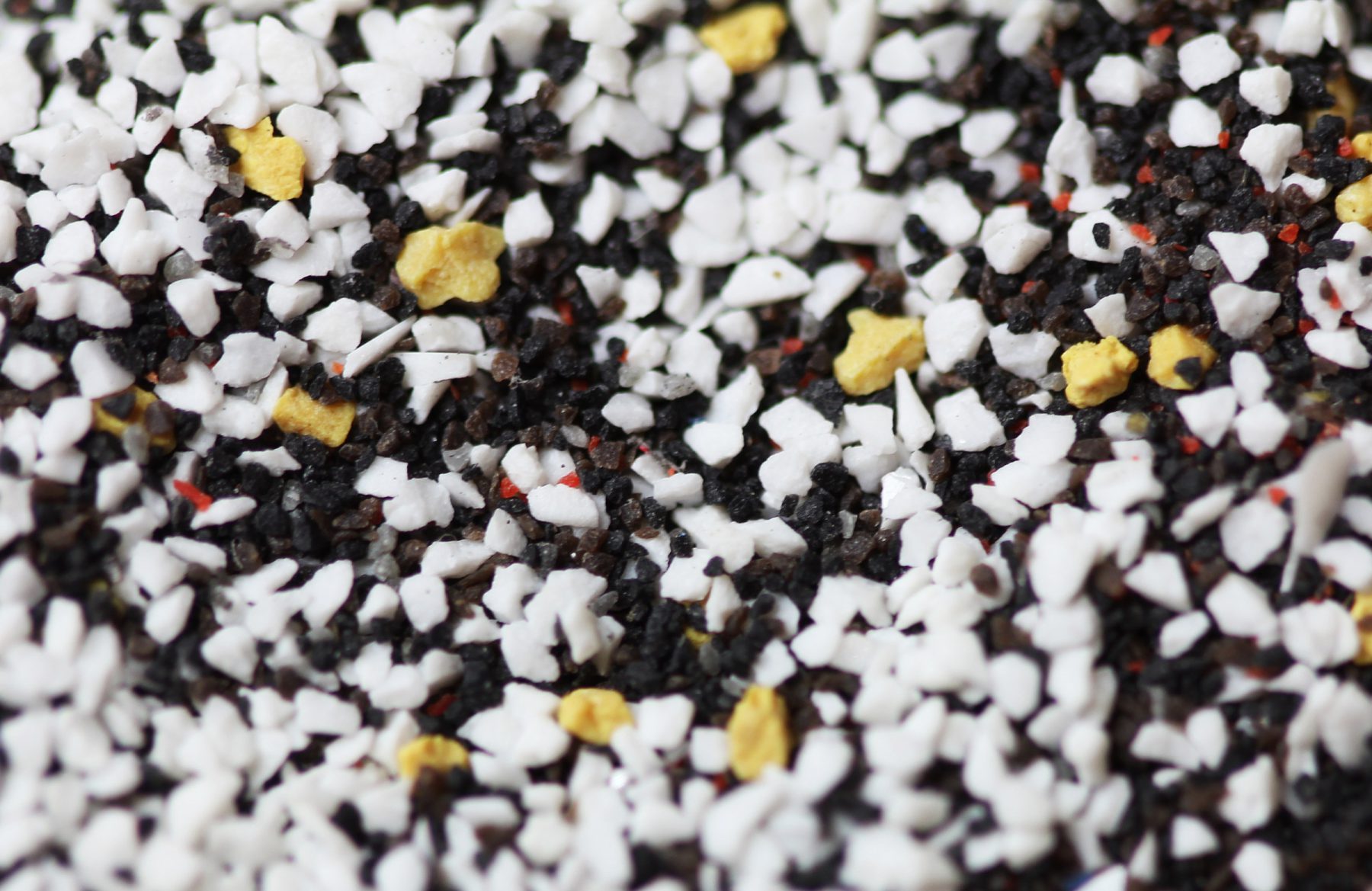
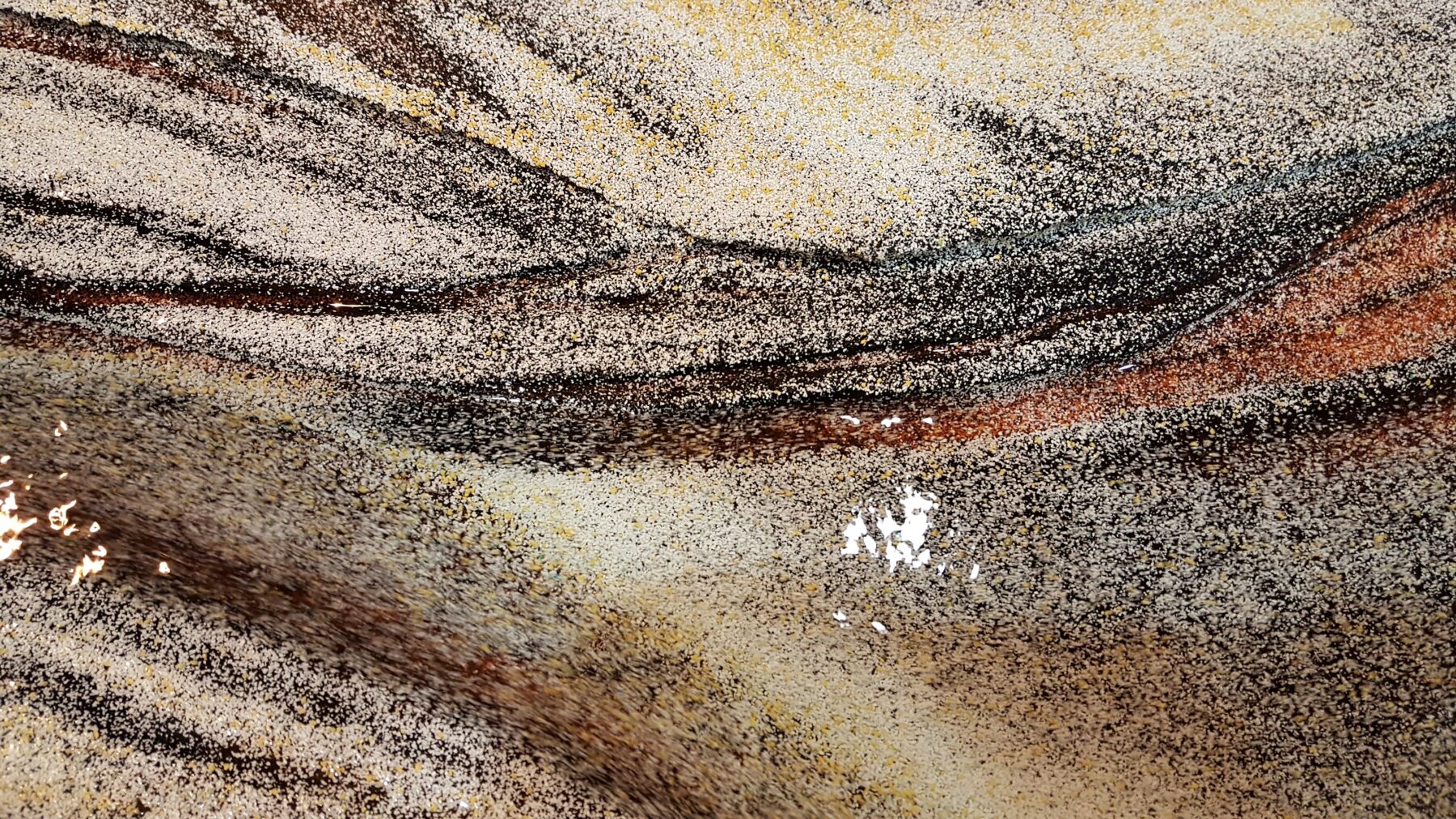
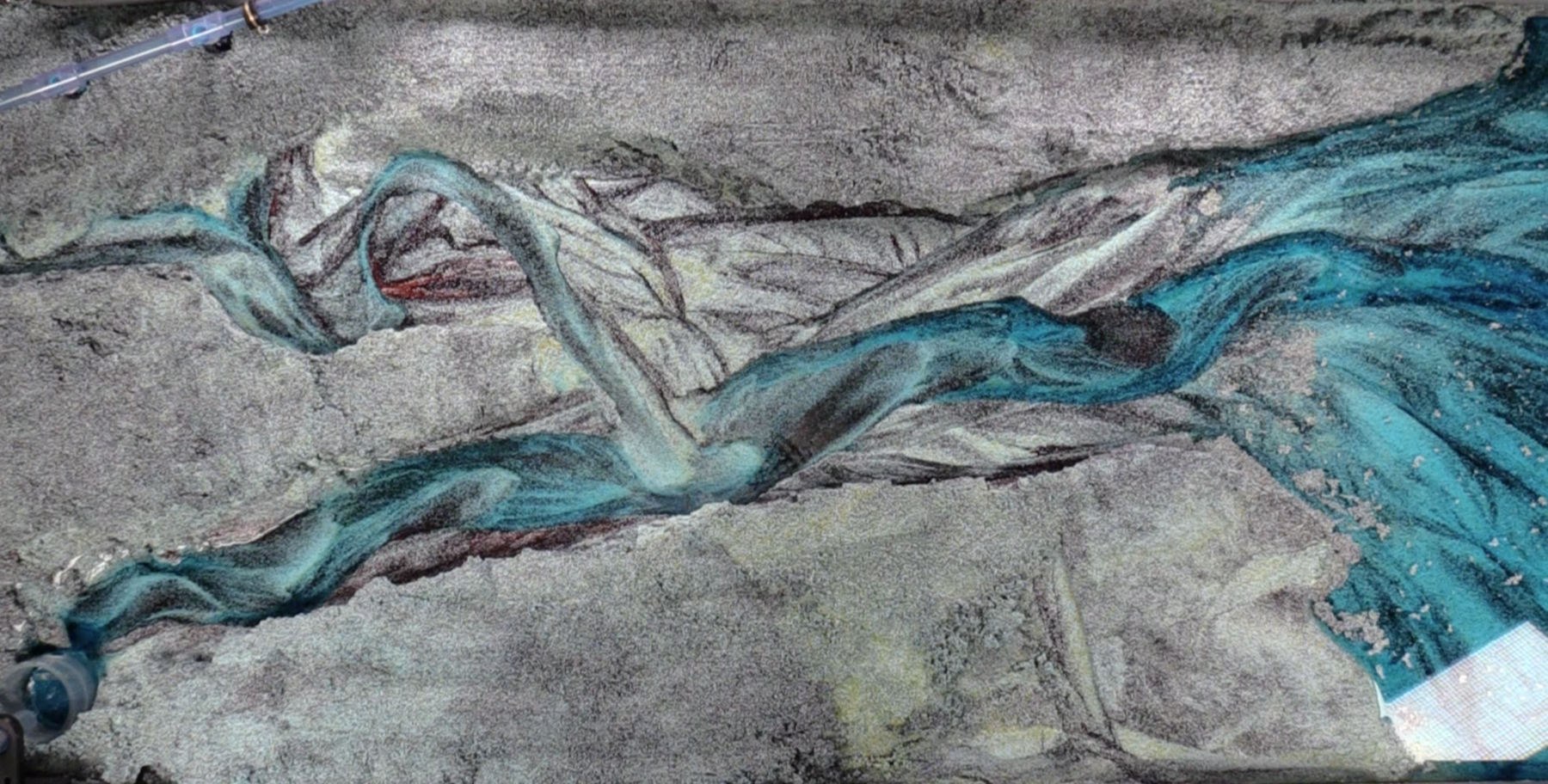
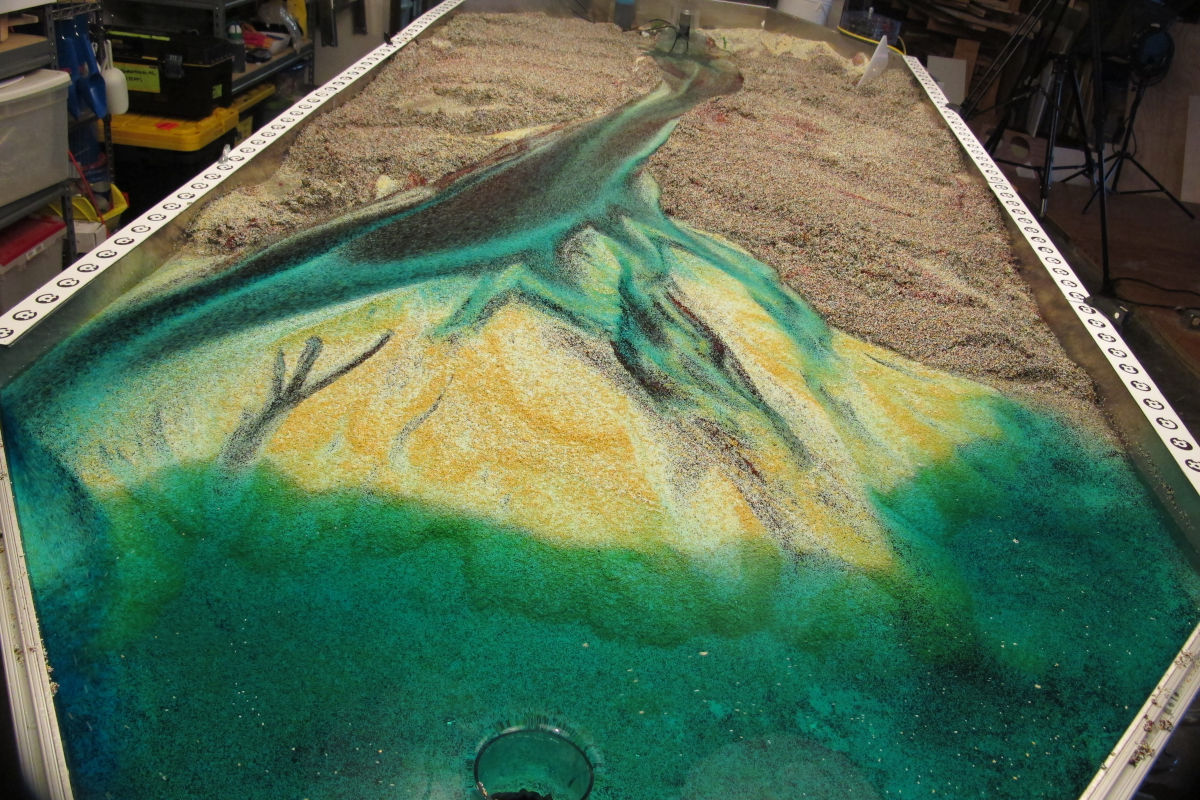
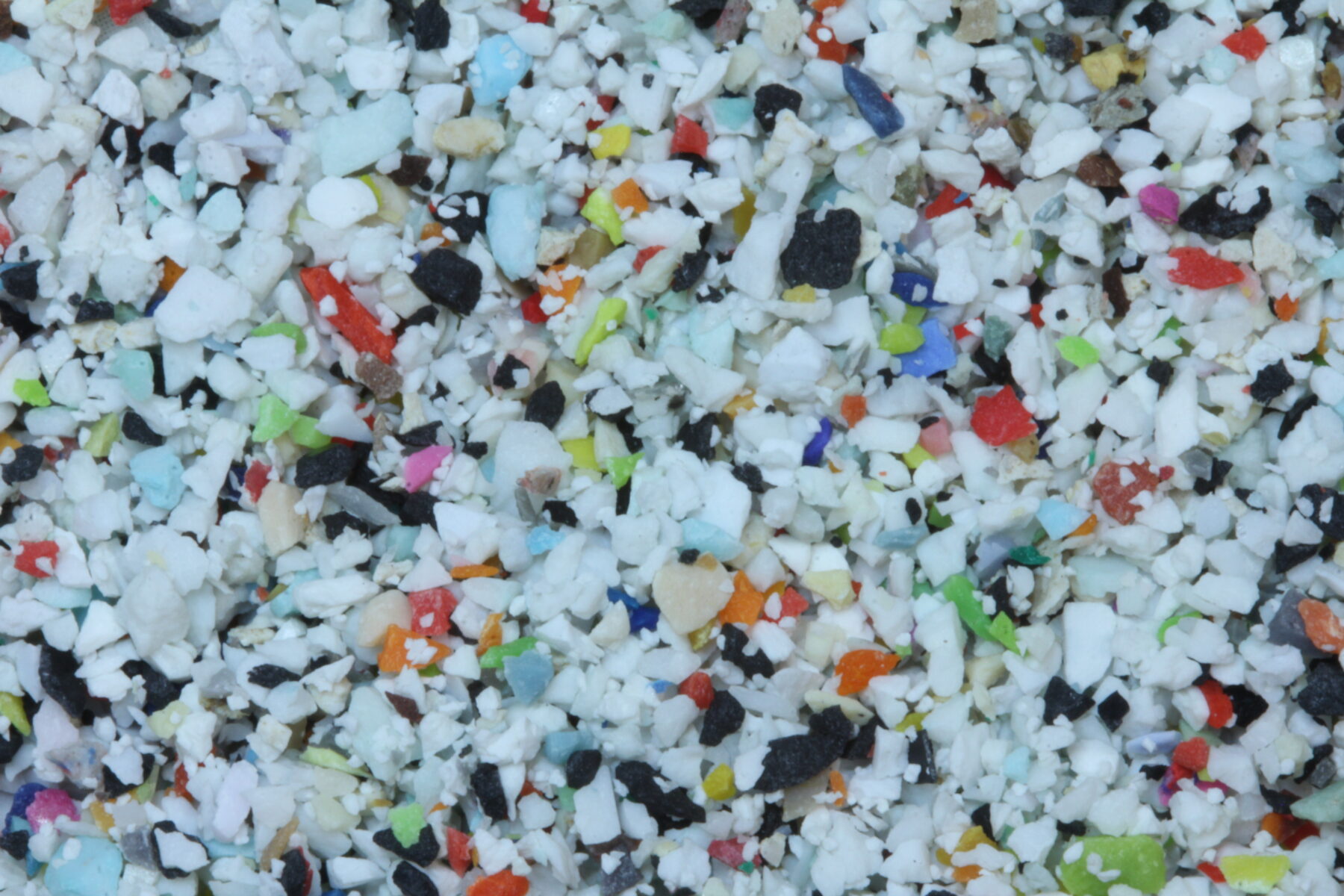
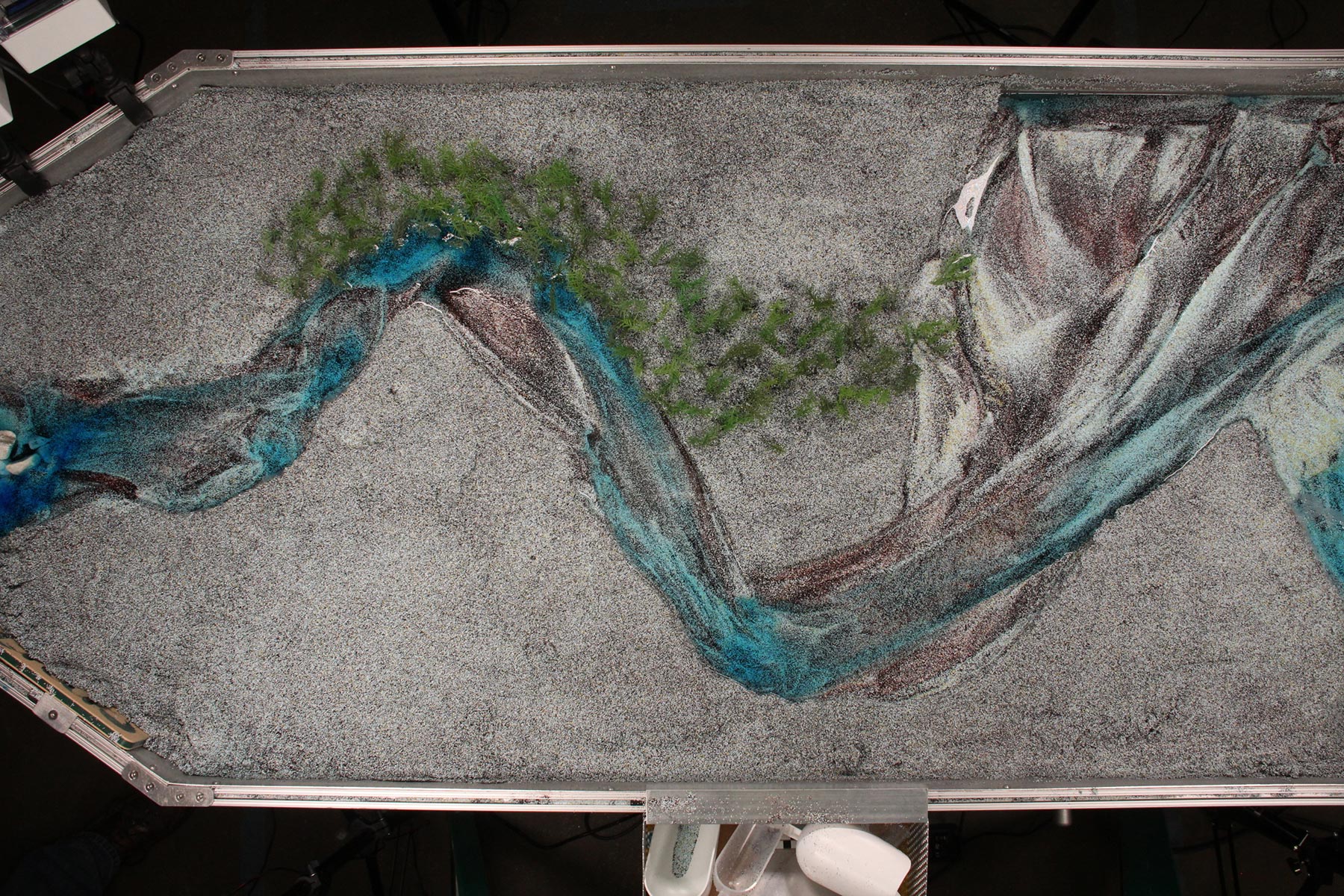
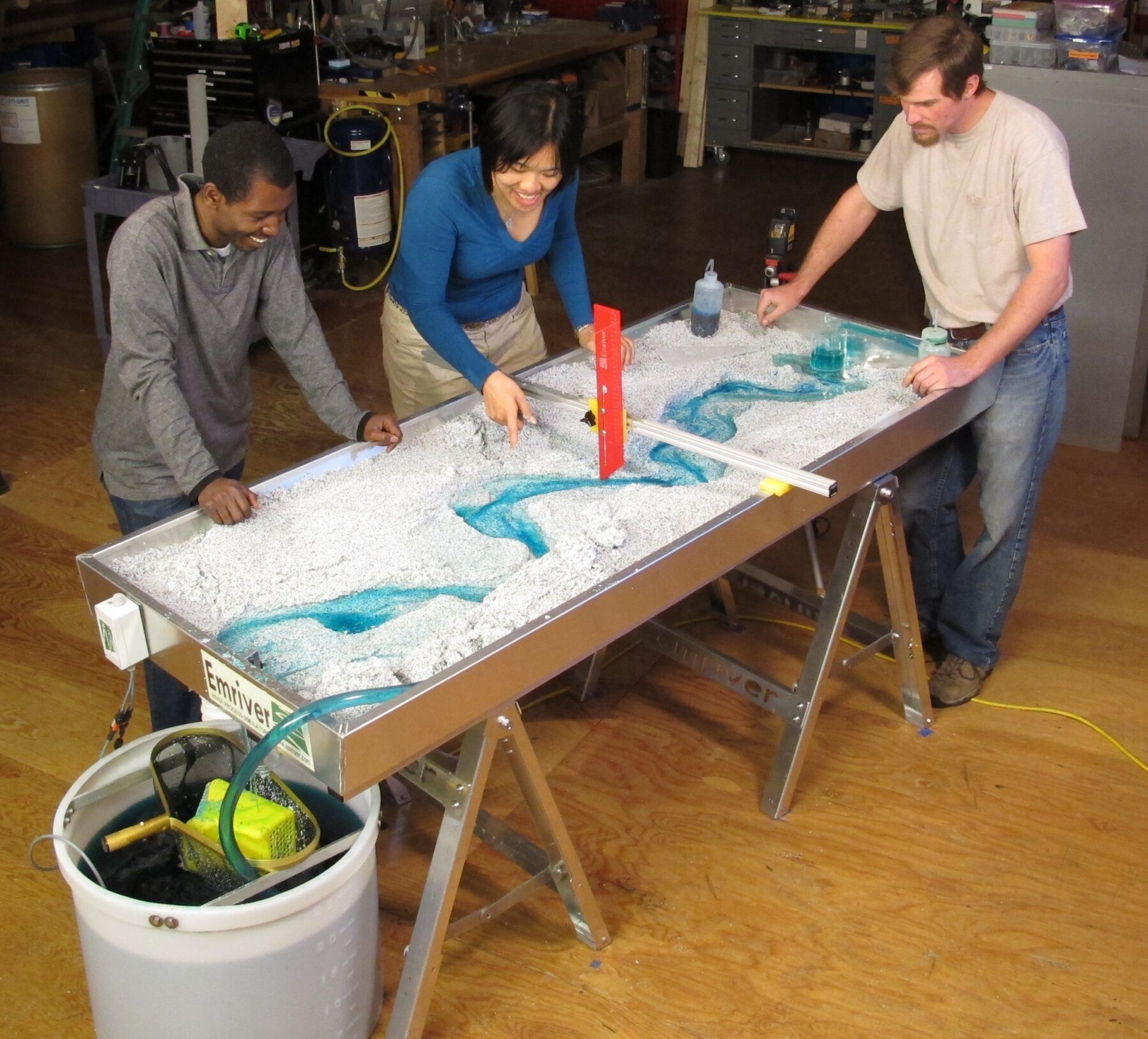
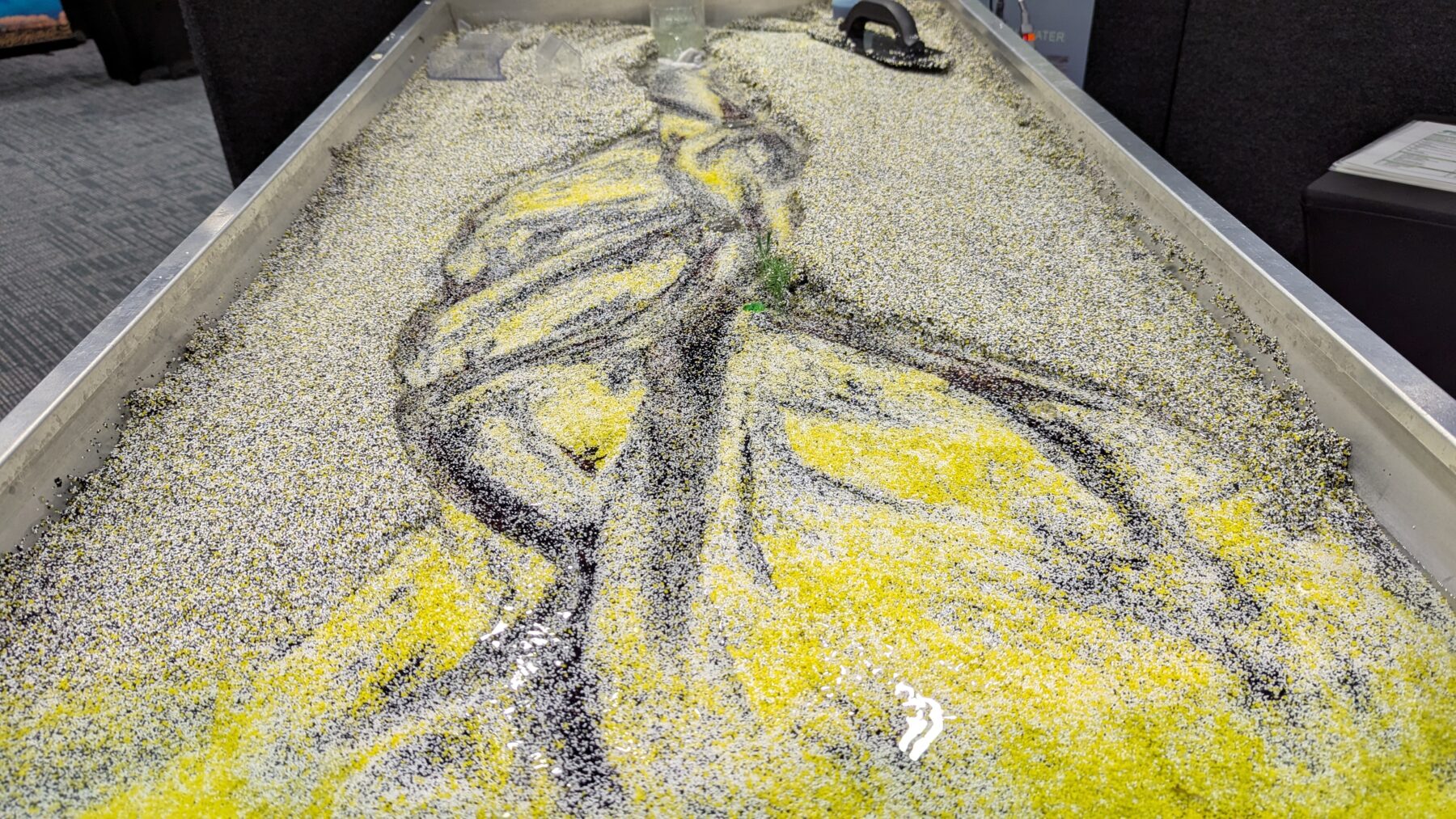
Our media is made of post-industrial, ground melamine plastic and is about 60 percent the density of quartz sand, or ~1.6 SG. This means the media can demonstrate river behavior and channel morphology with impressive accuracy at the space and time scales of our river models. The media is lightweight, easy to transport, won’t damage pumps, and is much easier to clean than stream table sand and other quartz materials.
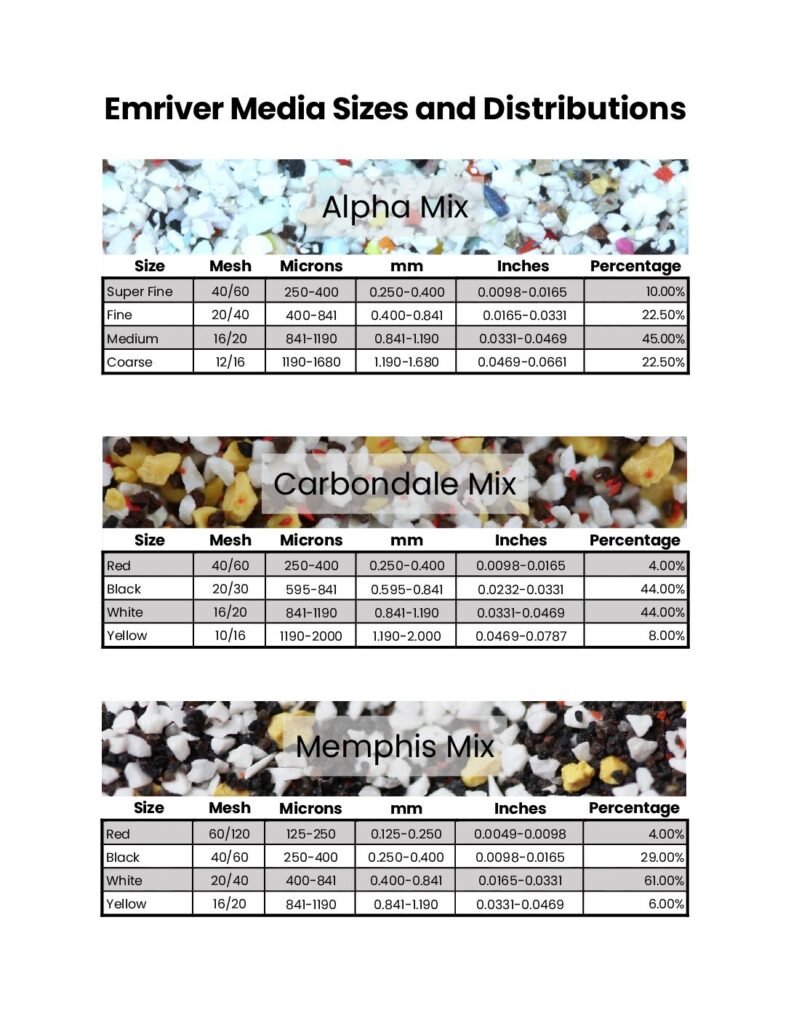
We offer three versions of modeling media: Alpha, Carbondale, and Memphis. The Carbondale and Memphis mixes are color-coded by size. Color-coding allows for visualization of sediment transport and deposition according to grain size. From advanced sedimentology research to K-12 education, our modeling media is a powerful tool.
If you are looking to convert from stream table sand, we can help you determine how much of our media you would need to fill your own stream table. Please CONTACT US with the dimensions of your table.